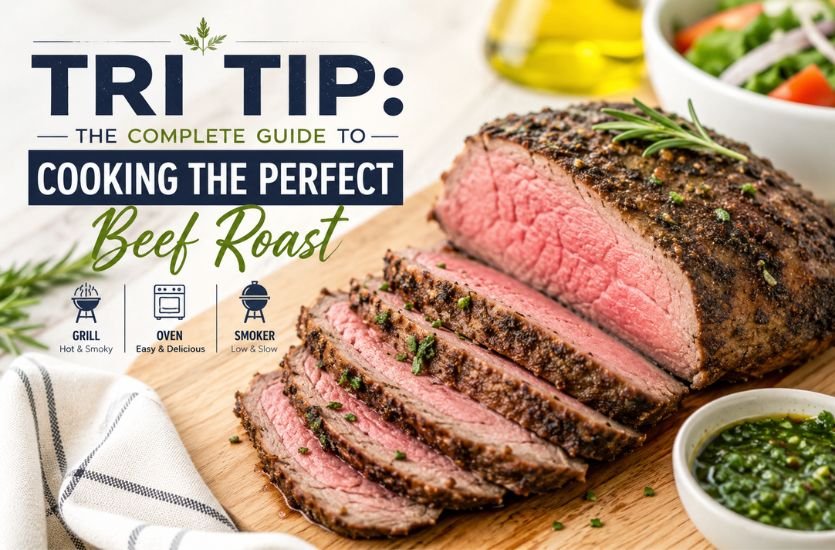

Few cuts of beef deliver the perfect combination of bold flavor, tenderness, and affordability quite like tri tip. Once considered a hidden gem known mainly to barbecue enthusiasts on the West Coast, this triangular roast has become a favorite among home cooks and professional chefs alike. Whether it’s sizzling over a hot grill, slowly smoked to perfection, or roasted in the oven for a comforting family dinner, tri tip consistently produces juicy, flavorful results that rival far more expensive cuts of beef.
What makes tri tip truly special is its versatility. It can be seasoned simply with salt, pepper, and garlic for a classic barbecue experience or marinated with herbs and spices to create countless delicious variations. Unlike larger barbecue cuts that require an entire day to cook, tri tip delivers exceptional flavor in just a few hours, making it ideal for weekend cookouts, holiday gatherings, and even weeknight meals.
If you’ve ever wondered what tri tip is, where it comes from, why it has become so popular, or how to cook it perfectly every time, this comprehensive guide covers everything you need to know.
Also Read: When Is Memorial Day 2025? Date, History, Meaning, Traditions, and Why It Matters
What Is Tri Tip?
Tri tip is a boneless cut of beef taken from the bottom sirloin section of the cow. Its name comes from its distinctive triangular shape, with one pointed end and a wider, thicker base. Typically weighing between 1.5 and 3 pounds after trimming, tri tip is large enough to feed several people while remaining much easier and faster to cook than larger roasts.
For many years, butchers often ground this cut into hamburger because it wasn’t widely recognized as a premium roast. That changed in California during the mid-20th century when local butchers began preparing it as a standalone cut. Its outstanding flavor and relatively quick cooking time soon earned it a loyal following, eventually making it one of America’s favorite barbecue meats.
Today, tri tip is available in many supermarkets and butcher shops throughout the United States and has also gained popularity internationally among beef lovers seeking a flavorful alternative to traditional steaks and roasts.
Where Does Tri Tip Come From?
Understanding where tri tip comes from helps explain its unique qualities. This cut is located in the bottom sirloin, positioned near the rear of the animal above the hind legs. Because each cow yields only two tri tips, one from each side, it is naturally more limited in supply than many other cuts.
The muscles in this area receive moderate exercise, allowing tri tip to develop a rich, beefy flavor while remaining tender enough for grilling or roasting. Unlike heavily worked muscles that require long, slow cooking, tri tip strikes an excellent balance between tenderness and texture.
Its location also contributes to its moderate marbling. Thin streaks of fat run throughout the meat, helping it stay juicy during cooking while enhancing its natural flavor.
The History of Tri Tip
Tri tip’s rise to fame is closely connected to California’s Central Coast, particularly the city of Santa Maria. During the 1950s, local butcher Bob Schutz is widely credited with popularizing the cut by marketing it as a roast instead of grinding it into hamburger meat.
Santa Maria-style barbecue soon became synonymous with tri tip. Traditionally, the roast is seasoned simply with salt, black pepper, and garlic before being grilled over red oak wood. This straightforward preparation allows the beef’s natural flavor to shine while adding a subtle smoky aroma unique to the region.
As travelers experienced Santa Maria barbecue and shared their enthusiasm, demand for tri tip spread beyond California. Today, it has become a staple of backyard barbecues across North America and continues to gain recognition worldwide.
Why Tri Tip Has Become So Popular
Tri tip has earned its reputation because it offers many of the qualities people love about premium steaks without the high price tag. It combines excellent flavor, satisfying tenderness, and cooking versatility into one relatively affordable cut.
Another reason for its popularity is its manageable cooking time. Unlike brisket, which may require twelve hours or more in a smoker, tri tip can often be grilled or roasted within one to two hours while still developing an impressive crust and juicy interior.
Families also appreciate its serving size. A single tri tip roast comfortably feeds four to six people, making it perfect for casual dinners, celebrations, or weekend cookouts.
Perhaps most importantly, tri tip is forgiving for home cooks. Even beginners can achieve excellent results with a meat thermometer and basic cooking techniques.
Flavor Profile of Tri Tip
One bite quickly explains why tri tip has developed such a devoted following. The flavor is intensely beefy, richer than many lean cuts but lighter than heavily marbled steaks such as ribeye.
The moderate fat content enhances moisture without making the meat overly rich. As the exterior caramelizes during grilling or roasting, the crust develops deep savory notes while the center remains juicy and tender.
Tri tip readily absorbs dry rubs, marinades, herbs, and smoke, making it suitable for many different cuisines. Whether seasoned with classic barbecue spices, Mediterranean herbs, Mexican flavors, or Asian-inspired marinades, it adapts beautifully without losing its distinctive beef character.
Texture and Tenderness
Tri tip occupies a unique place between steak and roast. It has a satisfying chew that feels substantial without becoming tough when cooked correctly.
The texture depends greatly on proper preparation. Cooking the roast to medium-rare or medium preserves its tenderness and moisture. Overcooking can dry the meat and make it noticeably firmer.
One important characteristic of tri tip is that the muscle fibers change direction roughly halfway through the roast. This means proper slicing is just as important as proper cooking. Cutting against the grain shortens the muscle fibers, resulting in slices that feel significantly more tender.
Many people who believe they dislike tri tip have simply eaten it sliced incorrectly.
Choosing the Best Tri Tip
Selecting a high-quality roast begins with examining its appearance. Fresh tri tip should have a deep red color with consistent marbling distributed throughout the meat. Avoid cuts that appear gray, excessively dry, or have an unpleasant odor.
A thin layer of fat on one side is beneficial because it helps protect the meat during cooking while adding flavor. Excessively thick fat caps can be trimmed if desired, but leaving a moderate amount improves the final result.
USDA Choice and USDA Prime grades generally provide better marbling than Select, although even Choice tri tip offers excellent flavor for most recipes.
Buying from a trusted butcher often provides additional benefits, including expert trimming and recommendations for cooking techniques.
Fresh vs. Frozen Tri Tip
Fresh tri tip offers convenience and slightly better texture, making it the preferred option when available. However, properly frozen tri tip remains an excellent choice if thawed slowly in the refrigerator before cooking.
Rapid thawing at room temperature should be avoided because it can affect both food safety and moisture retention. Allowing the meat to thaw gradually helps preserve its natural juices and texture.
Many specialty meat suppliers vacuum-seal tri tip before freezing, which further protects quality during storage.
Preparing Tri Tip Before Cooking
Proper preparation begins well before the roast reaches the grill or oven. Allowing tri tip to rest at room temperature for about thirty minutes promotes more even cooking throughout the meat.
Patting the surface dry with paper towels helps create a better crust during searing. Moisture on the exterior can produce steam, preventing proper browning.
At this stage, the roast is ready for seasoning or marinating depending on the chosen recipe. Many barbecue enthusiasts prefer keeping the seasoning simple, allowing the beef’s natural flavor to remain the star of the meal.
Even before the first bite, careful preparation lays the foundation for a perfectly cooked tri tip with a flavorful crust, juicy interior, and restaurant-quality results.
The Best Seasonings for Tri Tip
One of the greatest advantages of tri tip is that it doesn’t require complicated ingredients to taste incredible. Because the cut already has a naturally rich beef flavor, even a simple seasoning blend can produce outstanding results. Many experienced pitmasters believe that less is more, allowing the meat itself to remain the centerpiece of the meal.
The traditional Santa Maria-style seasoning is perhaps the most famous approach. It relies on coarse salt, freshly cracked black pepper, and garlic powder to create a savory crust that complements the beef without overpowering it. This classic combination has remained popular for decades because it consistently delivers excellent flavor.
For cooks who enjoy experimenting, tri tip pairs well with smoked paprika, onion powder, cayenne pepper, rosemary, thyme, oregano, chili powder, cumin, and brown sugar. These ingredients can be mixed into a dry rub that enhances both the crust and the aroma during cooking. Fresh herbs such as parsley and rosemary can also be added after cooking for a burst of freshness.
Applying the seasoning generously and allowing it to rest on the meat for at least thirty minutes helps the spices adhere while giving the salt time to penetrate the surface. Some cooks prefer seasoning the roast several hours in advance or even overnight to deepen the flavor.
Should You Marinate Tri Tip?
Although tri tip is naturally flavorful enough to cook without a marinade, marinating can introduce additional layers of taste and help tenderize the outer portion of the meat.
Popular marinades often include olive oil, soy sauce, Worcestershire sauce, garlic, black pepper, lemon juice, balsamic vinegar, Dijon mustard, honey, and fresh herbs. These ingredients combine savory, acidic, and slightly sweet flavors that complement beef exceptionally well.
Marinating for four to eight hours usually provides excellent results. Leaving the roast in a marinade overnight can create an even more pronounced flavor profile, but extending the time too long may begin to affect the texture because of the acidic ingredients.
Before cooking, remove the roast from the marinade and gently pat it dry. Excess moisture can interfere with proper browning, making it more difficult to develop a crisp, flavorful crust.
Grilling Tri Tip
Grilling remains the most popular cooking method for tri tip because it creates a delicious combination of smoky flavor, caramelized exterior, and juicy center.
Begin by preheating the grill with both direct and indirect heat zones. Sear the roast over high heat for several minutes on each side until a rich brown crust forms. After searing, move the meat to the cooler side of the grill to finish cooking slowly.
Keeping the grill covered during indirect cooking helps maintain a consistent temperature while allowing the meat to cook evenly. Using a reliable meat thermometer is far more accurate than relying solely on cooking time.
Depending on the size of the roast and the grill temperature, tri tip generally reaches medium-rare within thirty to forty-five minutes after searing. Once the desired internal temperature is reached, remove the roast and allow it to rest before slicing.
Reverse Searing for Maximum Tenderness
Reverse searing has become increasingly popular because it offers remarkable control over the final result. Instead of searing first, the roast cooks slowly at a lower temperature until it approaches the desired internal temperature.
Once nearly finished, the meat is transferred to extremely high heat for a quick sear that develops a beautifully browned crust without overcooking the interior.
This method creates an evenly pink center from edge to edge while minimizing the gray band of overcooked meat that sometimes develops during traditional grilling. Reverse searing is especially helpful for thicker tri tip roasts because it ensures even cooking throughout.
Smoking Tri Tip
Smoking offers another outstanding way to prepare tri tip while adding deep wood-fired flavor. Although it cooks much faster than brisket, smoked tri tip still develops an impressive smoke ring and rich barbecue aroma.
Most pitmasters smoke tri tip at approximately 225°F until the internal temperature reaches around 115°F to 120°F. The roast is then transferred to a hot grill or cast-iron skillet for a quick sear that finishes the exterior.
Oak remains the traditional wood for smoking tri tip, especially in Santa Maria-style barbecue. However, hickory, pecan, cherry, and mesquite also produce excellent results depending on personal preference.
Because tri tip is relatively lean compared to brisket, monitoring internal temperature carefully is essential to prevent overcooking.
Oven-Roasted Tri Tip
Not everyone has access to an outdoor grill or smoker, but tri tip performs beautifully in the oven as well.
Preheat the oven to approximately 375°F. Begin by searing the roast in a hot oven-safe skillet for several minutes on each side. Once a rich crust develops, transfer the skillet directly into the oven to finish cooking.
This combination of stovetop searing and oven roasting produces excellent color while allowing the interior to cook evenly. The finished roast remains juicy and develops a flavorful crust comparable to outdoor grilling.
Oven roasting is especially convenient during colder months or whenever outdoor cooking isn’t practical.
Sous Vide Tri Tip
Sous vide cooking offers unmatched precision for those seeking consistently perfect results. The seasoned tri tip is vacuum-sealed and submerged in temperature-controlled water for several hours.
Because the water remains at the exact target temperature, the roast cannot overcook during the sous vide process. After cooking, a quick sear in a hot skillet or on the grill develops the final crust.
This method produces exceptionally tender meat with remarkable moisture retention, making it a favorite among many professional chefs.
Internal Cooking Temperatures
Achieving the perfect level of doneness depends on monitoring the meat’s internal temperature rather than simply watching the clock.
Rare tri tip is typically removed from the heat around 120°F after resting. Medium-rare reaches approximately 130°F to 135°F and is widely considered the ideal temperature because it balances tenderness, juiciness, and flavor. Medium falls between 140°F and 145°F, while medium-well reaches approximately 150°F. Well-done tri tip exceeds 155°F, although many barbecue enthusiasts avoid cooking it this far because it can become noticeably drier.
Remember that the internal temperature will continue rising several degrees during the resting period after the roast is removed from the heat.
Why Resting Is So Important
Resting is one of the simplest yet most overlooked steps in preparing tri tip. Cutting into the roast immediately after cooking allows many of the flavorful juices to escape onto the cutting board instead of remaining inside the meat.
Allowing the roast to rest for ten to fifteen minutes gives the juices time to redistribute throughout the meat. As a result, every slice remains significantly juicier and more flavorful.
Covering the roast loosely with aluminum foil while it rests helps retain warmth without trapping excessive steam that could soften the crust.
How to Slice Tri Tip Correctly
Proper slicing is often the difference between an average meal and an exceptional one. Unlike many cuts of beef, the grain in tri tip changes direction near the center of the roast.
The easiest approach is to identify where the grain shifts, divide the roast into two sections, and slice each section separately against the grain. Thin slices shorten the muscle fibers, creating a noticeably more tender bite.
Using a sharp carving knife also helps produce clean, even slices that showcase the juicy interior.
Many people mistakenly believe tri tip is naturally tough when the real issue is improper slicing. Mastering this final step ensures all the effort invested in seasoning and cooking pays off with perfectly tender servings every time.
Nutrition Facts of Tri Tip
Tri tip is not only flavorful but also a nutritious source of high-quality protein. It contains essential amino acids that support muscle growth, tissue repair, and overall body function. Compared to some heavily marbled cuts of beef, tri tip offers a good balance of lean meat and healthy fat, making it an appealing option for people who want a satisfying meal without excessive fat content.
A typical 100-gram serving of cooked tri tip provides approximately 170 to 220 calories, depending on how much fat has been trimmed and the cooking method used. It generally contains around 20 to 24 grams of protein and 8 to 12 grams of fat, with virtually no carbohydrates. This nutritional profile makes it suitable for many eating plans, including low-carbohydrate and high-protein diets.
Tri tip is also an excellent source of important vitamins and minerals. It provides iron, which helps transport oxygen throughout the body, along with zinc to support immune health and wound healing. Vitamin B12 found in beef contributes to healthy nerve function and red blood cell production, while selenium and phosphorus play important roles in metabolism and bone health.
Although tri tip is nutritious, portion control and balanced meal planning remain important. Pairing it with vegetables, whole grains, or salads creates a well-rounded meal that offers both flavor and nutritional value.
The Best Side Dishes for Tri Tip
One reason tri tip is such a popular choice for family dinners and backyard barbecues is its ability to pair beautifully with a wide variety of side dishes. Its rich, savory flavor complements both simple and elaborate accompaniments.
Classic barbecue meals often feature roasted potatoes, baked potatoes, garlic mashed potatoes, grilled corn on the cob, baked beans, and fresh green salads. These familiar sides balance the richness of the beef while creating a comforting dining experience.
For a lighter meal, roasted asparagus, grilled zucchini, sautéed mushrooms, steamed broccoli, or mixed seasonal vegetables provide freshness without overpowering the meat. Crisp coleslaw adds a refreshing crunch, while chimichurri sauce introduces bright herbaceous flavors that contrast beautifully with the smoky beef.
Fresh artisan bread or garlic bread is another excellent companion, especially for soaking up the flavorful juices released during slicing.
Tri Tip vs. Brisket
Tri tip and brisket are often compared because both are favorites among barbecue enthusiasts, yet they offer very different eating experiences.
Tri tip comes from the bottom sirloin near the rear of the cow, while brisket is cut from the breast or lower chest area. Because brisket supports much more of the animal’s weight, it contains significantly more connective tissue and requires long, slow cooking to become tender.
Cooking time is one of the biggest differences between these cuts. A whole brisket may spend twelve to sixteen hours in a smoker before reaching its ideal texture. Tri tip, on the other hand, usually cooks within one to two hours depending on its size and cooking method.
Their ideal serving temperatures also differ. Tri tip is generally best enjoyed medium-rare or medium, preserving its juicy steak-like texture. Brisket reaches peak tenderness only after being cooked well beyond medium, allowing collagen to break down into gelatin.
Flavor profiles also vary. Brisket develops deep smoky richness with a soft, almost pull-apart texture, while tri tip retains a firmer bite with a bold beef flavor more reminiscent of a premium steak.
Both cuts have loyal fans, and choosing between them often depends on available cooking time and personal preference.
Common Mistakes to Avoid
Even though tri tip is relatively easy to prepare, a few common mistakes can prevent it from reaching its full potential.
One of the biggest errors is overcooking the meat. Because tri tip is leaner than many barbecue cuts, excessive heat can quickly dry it out. Using a quality meat thermometer is the most reliable way to achieve the desired doneness.
Skipping the resting period is another frequent mistake. Allowing the roast to rest for several minutes after cooking helps the juices redistribute throughout the meat, resulting in noticeably juicier slices.
Improper slicing also affects tenderness. Since the grain changes direction across the roast, cutting with the grain leaves long muscle fibers intact, making each bite chewier than necessary.
Another mistake is neglecting to preheat the grill or skillet properly. High heat at the beginning creates the flavorful crust that gives tri tip much of its appeal. Starting with insufficient heat often leads to gray, unevenly browned meat.
Finally, many people underestimate the importance of seasoning. Even a simple blend of salt, pepper, and garlic applied generously can dramatically improve the finished roast.
Frequently Asked Questions
Is tri tip a steak or a roast?
Tri tip is technically a roast because of its size, but it shares many characteristics with steak. It is often sliced into individual portions after cooking and served much like a steak.
Is tri tip tender?
Yes. When cooked to medium-rare or medium and sliced against the grain, tri tip is exceptionally tender while maintaining a satisfying texture.
Do you need to marinate tri tip?
No. Tri tip has excellent natural flavor and can be cooked with only basic seasonings. However, marinating can add additional flavor if desired.
What is the best cooking method?
Grilling remains the most popular method because it creates a flavorful crust and smoky aroma. Reverse searing, smoking, oven roasting, and sous vide cooking also produce excellent results.
What internal temperature is best?
Most chefs recommend cooking tri tip to an internal temperature of 130°F to 135°F for medium-rare. This temperature preserves the meat’s tenderness and natural juices.
Can tri tip be cooked in the oven?
Absolutely. Oven roasting is an excellent alternative when grilling is not possible. Searing the meat before roasting helps create a flavorful exterior.
Why does tri tip sometimes seem tough?
The most common reason is incorrect slicing. Because the grain changes direction, slicing against the grain is essential for maximum tenderness.
How long should tri tip rest?
A resting period of 10 to 15 minutes is generally ideal. This allows the juices to redistribute throughout the roast before slicing.
Final Thoughts
Tri tip has earned its reputation as one of the most rewarding cuts of beef for good reason. It combines outstanding flavor, impressive versatility, and excellent value into a roast that is approachable for beginners yet appreciated by experienced barbecue enthusiasts. Whether grilled over an open flame, slowly smoked, roasted in the oven, or prepared using the precision of sous vide, tri tip consistently delivers juicy, satisfying results.
Its rich beef flavor, moderate marbling, and relatively short cooking time make it an ideal choice for everything from casual family dinners to festive gatherings. With the right seasoning, careful attention to internal temperature, proper resting, and correct slicing against the grain, even first-time cooks can produce restaurant-quality results at home.
As more people discover this once-overlooked cut, tri tip continues to grow in popularity across the world. If you’re searching for a beef roast that offers exceptional taste without the long cooking times of traditional barbecue cuts, tri tip deserves a place at the top of your list. Master the simple techniques outlined in this guide, and you’ll have a dependable, crowd-pleasing centerpiece that’s sure to impress every time it’s served.