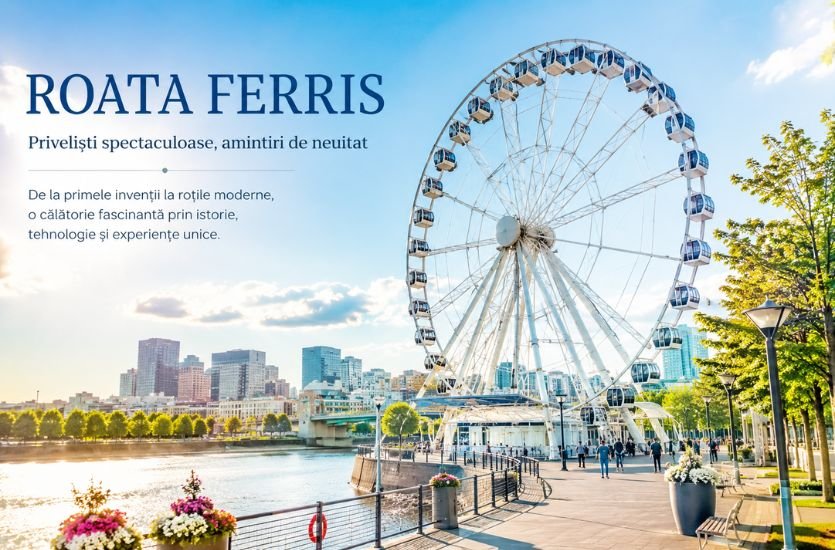

Few attractions capture the imagination quite like a Roata Ferris. Rising high above city skylines, amusement parks, and festive fairgrounds, this iconic rotating wheel offers more than just a ride—it provides breathtaking panoramic views, unforgettable memories, and a remarkable example of human engineering. Whether visitors are enjoying a romantic evening above a glittering city, taking family photos during a holiday, or simply experiencing the thrill of reaching new heights, the Roata Ferris continues to be one of the world’s most beloved attractions.
Originally designed as an engineering marvel, the Ferris wheel has evolved into a symbol of entertainment and innovation. Modern observation wheels now feature luxurious cabins, climate-controlled interiors, advanced lighting systems, and cutting-edge safety technologies, making them attractions that appeal to people of all ages. From historic fairs to world-famous tourist destinations, the Roata Ferris remains a timeless experience that blends excitement with spectacular scenery.
Also Read: Air Independent Propulsion: How AIP Technology Is Revolutionizing Modern Submarines
What Is a Roata Ferris?
A Roata Ferris, known in English as a Ferris wheel, is a large rotating amusement ride consisting of a vertical wheel with passenger cabins or gondolas attached around its outer rim. As the wheel slowly rotates, each cabin rises to the highest point before descending, allowing passengers to enjoy uninterrupted views throughout the ride.
Unlike faster amusement rides that focus on speed and adrenaline, the Roata Ferris offers a calm, relaxing experience. Its slow movement allows passengers to appreciate landscapes, city skylines, mountains, rivers, beaches, or amusement parks from a unique aerial perspective. This combination of comfort and spectacular scenery has made the attraction popular with families, couples, photographers, and tourists around the world.
Modern Ferris wheels are designed with enclosed cabins, air conditioning, accessibility features, and sophisticated engineering systems that ensure a smooth and enjoyable ride regardless of weather conditions.
The Remarkable History of the Roata Ferris
The history of the Ferris wheel dates back to the late nineteenth century during a period of rapid industrial innovation. American engineer George Washington Gale Ferris Jr. conceived the idea of building a giant rotating wheel for the 1893 World’s Columbian Exposition held in Chicago.
At the time, organizers wanted an attraction capable of rivaling the fame and engineering brilliance of the Eiffel Tower, which had been introduced during the 1889 Paris Exposition. Ferris proposed an enormous steel wheel that many experts initially considered impossible to construct.
Despite skepticism, construction moved forward, and the finished wheel stood approximately 80 meters (264 feet) tall. It featured 36 large passenger cars capable of carrying more than 2,000 passengers during a single rotation. The attraction quickly became one of the fair’s greatest successes, demonstrating both engineering excellence and public fascination with elevated sightseeing.
Although the original Ferris wheel no longer exists, its influence transformed amusement park design forever. Engineers across the world began constructing larger and more sophisticated versions, leading to today’s impressive observation wheels.
How a Roata Ferris Works
The operation of a Roata Ferris appears simple from the outside, but its engineering is carefully planned to ensure efficiency, stability, and safety. The wheel rotates around a strong horizontal axle supported by massive steel structures designed to withstand considerable weight and environmental forces.
Powerful electric motors slowly rotate the wheel while advanced control systems regulate its speed. Passenger cabins remain upright throughout the ride because they are suspended on pivoting mechanisms that naturally balance using gravity. Some modern observation wheels also use additional stabilization systems for even smoother movement.
The ride generally rotates slowly, allowing passengers to safely board and exit while the wheel is either moving at a controlled pace or temporarily stopped. Computerized monitoring systems continuously oversee motor performance, braking functions, cabin positioning, and environmental conditions to ensure safe operation.
Every structural component, from the steel spokes and support beams to the bearings and braking systems, undergoes regular inspection and maintenance to meet strict international safety standards.
Different Types of Roata Ferris
Over the decades, Ferris wheel designs have diversified significantly to serve different purposes and locations. Traditional amusement park Ferris wheels remain common at fairs and carnivals, offering open-air seating and colorful designs that emphasize fun and excitement.
Observation wheels represent the modern evolution of the classic Ferris wheel. These structures are considerably taller and typically feature fully enclosed cabins equipped with climate control, comfortable seating, and panoramic windows. Observation wheels are often built as permanent landmarks in major cities, attracting millions of tourists each year.
Portable Ferris wheels are specially designed for traveling carnivals and seasonal festivals. These models can be dismantled, transported by trucks, and reassembled within a relatively short period, allowing entertainment companies to serve multiple locations throughout the year.
Luxury observation wheels provide premium experiences that may include private cabins, dining services, guided tours, or even special event packages for birthdays, weddings, and corporate gatherings.
Engineering Behind the Giant Wheel
Building a Roata Ferris requires extensive planning, advanced engineering knowledge, and precise manufacturing techniques. Engineers must carefully calculate structural loads, wind resistance, passenger capacity, rotational forces, and long-term durability before construction begins.
High-strength steel forms the primary structural framework because it offers exceptional strength while maintaining manageable weight. Modern computer simulations help engineers predict how the wheel will perform under different weather conditions, including strong winds and temperature changes.
The central hub acts as the heart of the structure, distributing weight evenly throughout the wheel. Heavy-duty bearings reduce friction during rotation, while sophisticated drive systems provide controlled movement that remains smooth regardless of passenger load.
Electrical systems, backup power supplies, emergency braking mechanisms, communication equipment, and computerized monitoring software all contribute to the reliable operation of today’s observation wheels.
Safety Measures and Passenger Protection
Safety is one of the highest priorities in every Roata Ferris installation. Modern operators follow strict maintenance schedules and government regulations designed to protect passengers throughout every ride.
Before opening each day, technicians inspect mechanical components, electrical systems, cabin doors, support structures, and braking equipment. Any irregularity results in immediate maintenance before passengers are allowed to board.
Enclosed cabins feature secure locking mechanisms that prevent accidental opening during operation. Emergency communication systems enable passengers to contact operators if assistance is needed. Backup electrical generators ensure that the wheel can continue operating safely even during unexpected power outages.
Weather monitoring systems play a critical role in safety management. High winds, severe storms, or lightning may require temporary closure until conditions improve. Continuous staff training further ensures that operators respond effectively to routine operations and emergency situations alike.
These comprehensive safety measures have helped establish the Ferris wheel as one of the safest amusement rides available.
Why the Roata Ferris Remains So Popular
The enduring popularity of the Roata Ferris comes from its ability to appeal to nearly everyone regardless of age. Unlike extreme rides that focus on intense thrills, the Ferris wheel offers a gentle experience suitable for children, adults, and seniors alike.
Couples often choose Ferris wheels for romantic outings because the elevated cabins provide beautiful sunset views and peaceful moments together. Families appreciate the comfortable ride and opportunity to experience scenic landscapes without fear or excessive excitement.
Tourists frequently seek out observation wheels because they offer one of the best viewpoints in any city. Photographers also value the elevated perspective for capturing skylines, rivers, landmarks, and nighttime city lights.
The combination of accessibility, comfort, and unforgettable scenery explains why Ferris wheels continue attracting millions of visitors every year.
Famous Roata Ferris Attractions Around the World
Many cities have transformed giant observation wheels into internationally recognized landmarks. These impressive structures serve both as entertainment attractions and symbols of urban identity.
The London Eye remains one of Europe’s most visited observation wheels, offering spectacular views across the River Thames and London’s historic skyline. The Singapore Flyer provides breathtaking panoramic views of Singapore’s modern architecture and nearby coastline.
High Roller in Las Vegas stands among the tallest observation wheels in the world, delivering stunning nighttime views of the famous Las Vegas Strip. Similar attractions have appeared across Asia, Europe, North America, and the Middle East, each combining advanced engineering with memorable visitor experiences.
These landmark wheels demonstrate how the original concept developed more than a century ago continues inspiring modern architecture and tourism.
The Role of Roata Ferris in Tourism
A Roata Ferris often becomes a signature attraction that helps define a city’s tourism industry. Observation wheels attract both domestic and international visitors while generating economic benefits for nearby restaurants, hotels, shops, and entertainment venues.
Many cities strategically position their observation wheels near waterfronts, historic districts, or business centers to maximize scenic views. Visitors frequently schedule Ferris wheel rides during sunrise, sunset, or evening hours when city lights create particularly impressive panoramas.
Seasonal decorations, holiday lighting displays, and themed events further increase visitor interest throughout the year. Some observation wheels even feature synchronized LED lighting systems capable of displaying colorful animations and celebrating national holidays or special occasions.
Technological Innovations in Modern Ferris Wheels
Technology has dramatically transformed the Ferris wheel experience. Today’s observation wheels incorporate intelligent monitoring systems, energy-efficient motors, and sophisticated structural materials that improve performance while reducing maintenance requirements.
Many cabins now feature climate control, interactive information displays, Wi-Fi connectivity, and enhanced accessibility for passengers with disabilities. Some operators provide audio guides that identify important landmarks visible from the cabins.
Advanced LED lighting systems allow observation wheels to become spectacular nighttime attractions capable of displaying thousands of programmable color combinations. Sustainable technologies, including energy-efficient drive systems and environmentally friendly lighting, help reduce operational costs while minimizing environmental impact.
Engineers continue exploring new materials, automation systems, and digital technologies that may further improve comfort, efficiency, and safety in future designs.
Cultural Significance of the Roata Ferris
Beyond its engineering achievements, the Roata Ferris has become a cultural icon recognized worldwide. It frequently appears in films, television shows, travel advertisements, photography, and artwork as a symbol of joy, celebration, and exploration.
Many people associate Ferris wheel rides with childhood memories, festivals, vacations, and family traditions. The slow rotation encourages conversation, reflection, and appreciation of beautiful surroundings, creating emotional experiences that remain memorable long after the ride ends.
Cities often use their observation wheels during major celebrations, illuminating them with patriotic colors, holiday themes, or messages of support during significant events. This symbolic role has strengthened the Ferris wheel’s place in modern culture.
Environmental Considerations
As sustainability becomes increasingly important, many operators are adopting environmentally responsible practices. Modern observation wheels consume less energy than earlier models thanks to efficient electric motors and LED lighting technologies.
Some facilities incorporate renewable energy sources, rainwater collection systems, and environmentally friendly construction materials. Maintenance programs focus on extending equipment lifespan while minimizing waste through recycling and responsible resource management.
Urban planners also recognize that observation wheels encourage tourism without requiring extensive land development, making them attractive additions to city landscapes.
The Future of the Roata Ferris
The future of the Roata Ferris looks promising as engineers continue developing taller, smarter, and more sustainable observation wheels. Advances in structural engineering, digital technology, and renewable energy are expected to produce attractions that are even safer, more efficient, and more environmentally friendly.
Future observation wheels may include augmented reality experiences, personalized digital guides, advanced lighting displays, and enhanced interactive features that enrich the visitor experience. Improvements in accessibility will continue ensuring that passengers of all ages and abilities can comfortably enjoy the attraction.
As urban tourism expands worldwide, more cities are likely to invest in landmark observation wheels that combine entertainment, architecture, and economic development.
Conclusion
The Roata Ferris represents far more than a rotating amusement ride. It stands as a lasting symbol of engineering creativity, architectural ambition, and timeless entertainment. From its groundbreaking debut at the 1893 World’s Columbian Exposition to today’s towering observation wheels overlooking some of the world’s most famous cities, the Ferris wheel has continually evolved while preserving its original purpose of offering people an extraordinary view from above.
Its gentle movement, impressive engineering, outstanding safety standards, and universal appeal have made it one of the most enduring attractions ever created. Whether experienced during a family vacation, a romantic evening, or a sightseeing adventure, a ride on a Roata Ferris provides moments of wonder that few other attractions can match. As technology continues advancing and cities seek new ways to inspire visitors, the Roata Ferris will undoubtedly remain a cherished landmark and a timeless symbol of exploration, innovation, and unforgettable memories.