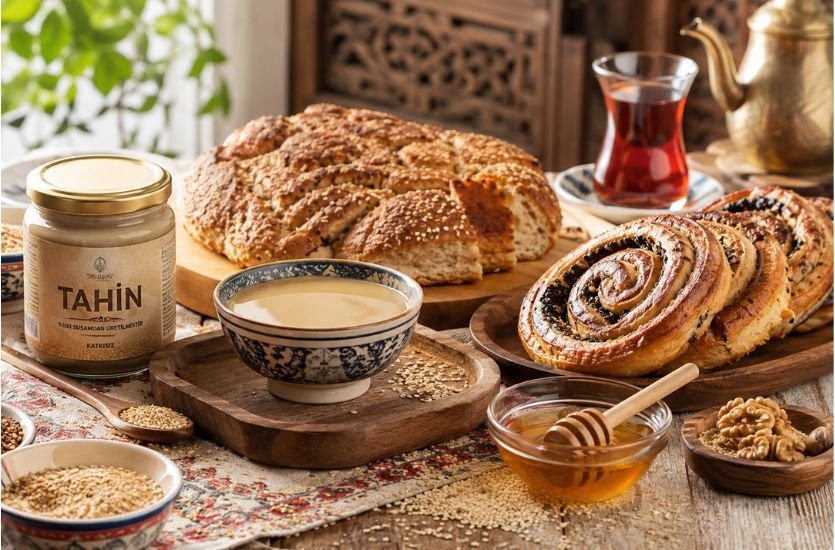

A single ingredient can carry centuries of culture, tradition, and culinary creativity. Tahinle represents much more than a simple combination of words; it reflects the deep connection between Turkish cuisine and tahini, a beloved sesame-based ingredient that has transformed countless recipes across generations. From sweet pastries and breakfast dishes to healthy sauces and traditional desserts, Tahinle has become associated with flavors that bring together simplicity, nutrition, and authentic culinary heritage.
The word Tahinle comes from the Turkish expression meaning “with tahini” or “prepared using tahini.” Tahini, known as tahin in Turkish, is a smooth paste created by grinding roasted sesame seeds into a rich, creamy mixture. For centuries, tahini has been an essential ingredient in Middle Eastern, Mediterranean, and Turkish kitchens. Its unique nutty flavor and creamy texture make it suitable for both sweet and savory dishes, allowing chefs and home cooks to create recipes that are full of character.
Today, interest in Tahinle continues to grow as people around the world discover traditional Turkish foods, healthy ingredients, and authentic recipes. Whether someone is searching for Tahinle bread, Tahinle desserts, or creative ways to use tahini in everyday meals, this ingredient offers endless possibilities.
The Cultural Importance of Tahinle in Turkish Cuisine
Turkish cuisine is famous for combining natural ingredients with traditional preparation methods. Among these ingredients, tahini holds a special position because it represents both everyday cooking and festive food traditions. Tahinle recipes have been passed down through families, with many variations depending on the region and local preferences.
In Turkey, tahini is commonly enjoyed with grape molasses, known as tahin pekmez. This combination is especially popular during breakfast because it provides a sweet, creamy, and energy-rich meal. Many Turkish families consider tahini and molasses a traditional winter breakfast because it offers warmth and nourishment during colder months.
Beyond breakfast, Tahinle appears in bakery products, desserts, and snacks. Traditional Turkish bakeries prepare various pastries using tahini because it adds moisture, aroma, and a naturally rich taste. These recipes demonstrate how a simple sesame paste can become the foundation of memorable culinary experiences.
What Makes Tahinle Unique?
The popularity of Tahinle comes from the special qualities of tahini itself. Unlike many processed ingredients, tahini is made from a simple natural source: sesame seeds. The seeds are cleaned, roasted, and ground until they become a smooth paste. This traditional process preserves the natural oils and creates a distinctive flavor profile.
Tahinle recipes often have a balanced taste that combines nuttiness with sweetness or savory flavors. When used in desserts, tahini creates a deep and satisfying flavor that is different from ordinary sweet ingredients. When added to sauces or meals, it provides creaminess and richness without requiring dairy products.
Another reason Tahinle has gained international attention is its connection with healthy eating. Many people looking for plant-based ingredients, natural fats, and nutrient-rich foods have started including tahini in their diets. This has helped Turkish tahini-based recipes become popular beyond their original cultural boundaries.
Traditional Tahinle Bread and Bakery Delights
One of the most famous examples of Tahinle cuisine is Tahinli Ekmek, or Turkish tahini bread. This traditional bread combines soft dough with a flavorful tahini filling, creating a delicious bakery product enjoyed by many people in Turkey and nearby regions.
The preparation of Tahinle bread usually involves making a soft yeast dough and spreading a mixture of tahini and sugar across the surface before shaping and baking. During baking, the tahini creates beautiful layers inside the bread while releasing a rich sesame aroma.
The final result is a bread that is slightly sweet, soft, and filled with the characteristic taste of roasted sesame. Many people enjoy it with Turkish tea, coffee, or as a satisfying breakfast option.
Another popular Tahinle bakery item is Tahinli Çörek, a spiral-shaped pastry filled with tahini. This pastry is known for its attractive appearance, crispy outer layer, and soft interior. The combination of dough, tahini, and sugar creates a traditional flavor that continues to remain popular in Turkish bakeries.
Tahinle Desserts and Sweet Recipes
Tahinle has a special place in Turkish desserts because tahini naturally complements sweet ingredients. Its creamy texture and nutty flavor create desserts that feel rich while maintaining a traditional homemade quality.
One well-known example is tahini halva, a sweet confection made primarily from tahini and sugar. Tahini halva has been enjoyed throughout the Middle East and Mediterranean regions for generations. It is often served during celebrations, religious occasions, and family gatherings.
Modern cooks have also developed new Tahinle dessert ideas by combining tahini with chocolate, honey, dates, nuts, and fruits. These combinations create contemporary desserts while preserving the traditional character of tahini.
Tahinle cookies are another popular option. Adding tahini to cookie dough creates a soft texture and a pleasant sesame flavor. Many recipes use ingredients such as walnuts, almonds, or chocolate chips to enhance the overall taste.
Health Benefits Associated With Tahinle
The growing popularity of Tahinle is not only related to taste but also to nutrition. Tahini contains several important nutrients that make it valuable as part of a balanced diet.
Sesame seeds, the main ingredient of tahini, naturally contain healthy fats, plant-based protein, minerals, and antioxidants. These nutrients contribute to the nutritional value of Tahinle-based foods.
Tahini is known as a source of healthy fats, particularly unsaturated fats. These fats are important components of a balanced eating pattern and are often preferred over less beneficial fat sources.
Tahinle recipes can also provide minerals such as calcium, magnesium, phosphorus, and iron. These nutrients play important roles in maintaining normal body functions.
Because tahini is plant-based, it is also popular among people following vegetarian or vegan lifestyles. Many vegan recipes use tahini as a creamy ingredient in sauces, desserts, and spreads.
However, like any calorie-dense food, Tahinle products should be enjoyed as part of a balanced diet. Portion size and overall dietary habits remain important factors when including tahini-based foods regularly.
Modern Uses of Tahinle Around the World
Although Tahinle has deep roots in Turkish cuisine, its popularity has expanded globally. International chefs and food enthusiasts now use tahini in many creative ways.
In modern kitchens, Tahinle-inspired recipes include salad dressings, smoothie additions, sandwich spreads, roasted vegetable sauces, and energy snacks. The versatility of tahini allows it to work with many different flavors.
Restaurants around the world have introduced tahini-based dishes because customers are increasingly interested in authentic international flavors. The rise of Mediterranean and Middle Eastern cuisine has helped ingredients like tahini gain worldwide recognition.
Social media platforms have also contributed to the popularity of Tahinle recipes. Food bloggers frequently share creative tahini combinations, traditional Turkish recipes, and healthy meal ideas featuring tahini.
Popular Tahinle Recipes You Can Try at Home
The beauty of Tahinle is that it can be adapted into many different recipes, from traditional Turkish dishes to modern international creations. Whether someone prefers sweet flavors, healthy snacks, or savory meals, tahini provides a flexible base that can enhance almost any recipe.
One of the easiest ways to enjoy Tahinle is through a traditional tahini and molasses combination. This simple recipe requires mixing tahini with grape molasses until it reaches a smooth consistency. The result is a naturally sweet spread that can be enjoyed with bread, toast, or pastries. This traditional breakfast choice represents the simplicity of Turkish food culture, where natural ingredients are transformed into satisfying meals.
Another popular Tahinle recipe is homemade tahini sauce. Tahini can be mixed with lemon juice, garlic, water, and spices to create a creamy sauce that works perfectly with vegetables, salads, grilled foods, and sandwiches. This type of recipe demonstrates how Tahinle can move beyond desserts and become part of everyday meals.
Tahinle cookies are also a favorite among home bakers. These cookies are prepared by combining tahini with flour, sugar, and other ingredients to create a soft and flavorful dessert. The sesame aroma becomes stronger during baking, producing a unique taste that separates them from ordinary cookies.
For people who enjoy experimenting in the kitchen, Tahinle can also be combined with ingredients such as dates, nuts, cocoa, coconut, and honey. These combinations create energy balls, dessert bars, and healthy snacks that are popular among modern food lovers.
How Tahinle Became Popular Beyond Turkey
Traditional foods often travel beyond their original regions, and Tahinle is a perfect example of this cultural exchange. As global interest in Turkish cuisine increased, more people discovered the importance of tahini in Turkish cooking.
International food markets, restaurants, and online recipe platforms have helped introduce Tahinle-based foods to new audiences. People who may have never tasted tahini before are now discovering its unique flavor through hummus, desserts, breads, and sauces.
The popularity of plant-based diets has also contributed to the growth of tahini consumption. Many individuals searching for dairy-free and natural alternatives have found tahini to be a useful ingredient for creating creamy textures without animal products.
Food bloggers and chefs frequently highlight Tahinle recipes because they combine tradition with modern food trends. A traditional Turkish tahini pastry can now be shared with audiences worldwide through videos, blogs, and social media platforms.
The Role of Tahinle in Healthy Lifestyle Trends
Modern consumers are becoming more interested in foods that provide both flavor and nutritional value. This shift has increased attention toward traditional ingredients like tahini.
Tahinle fits well into many healthy eating approaches because it is made from a natural plant source and contains valuable nutrients. It can be used as an alternative to highly processed spreads and artificial flavor enhancers.
Many fitness enthusiasts include tahini in their meal plans because it provides energy and healthy fats. Tahinle-based snacks, especially those combined with nuts and fruits, are often considered convenient options for people with active lifestyles.
At the same time, health-conscious consumers appreciate the fact that tahini is minimally processed compared with many commercial food products. A simple jar of tahini represents an ingredient that has remained largely unchanged for generations.
Regional Variations of Tahinle Foods
Different regions have developed their own unique approaches to Tahinle recipes. Although the main ingredient remains tahini, preparation methods and additional ingredients can vary significantly.
In Turkey, bakery products such as tahini bread and tahini pastries are especially popular. These foods often represent local traditions and family recipes that have been preserved over many years.
In Cyprus, tahini-based breads and pastries are also an important part of traditional cuisine. Local variations may include different levels of sweetness, different dough techniques, or additional flavors.
Across the Middle East, tahini is used in both sweet and savory dishes. From sauces to desserts, each region has created its own interpretation of how tahini can be used.
These regional differences show why Tahinle is more than a recipe category. It represents a connection between food, history, geography, and cultural identity.
Why People Search for Tahinle Online
The keyword Tahinle attracts people who are interested in discovering recipes, cooking techniques, and traditional foods. Many searches focus on learning what can be made with tahini and how this ingredient can be included in daily meals.
Recipe searches are among the strongest interests connected with Tahinle. Users often look for easy instructions, traditional Turkish methods, and new ideas for using tahini.
Another important search area involves health information. Many people want to understand whether tahini is beneficial, what nutrients it contains, and how it fits into a healthy lifestyle.
Travel and cultural interests also contribute to Tahinle searches. Visitors exploring Turkish cuisine often discover tahini-based foods as part of their journey into local traditions.
For content creators, Tahinle provides opportunities to create informative articles, recipe guides, cooking videos, and cultural stories.
Frequently Asked Questions About Tahinle
What does Tahinle mean?
Tahinle is a Turkish word meaning “with tahini” or “made using tahini.” It describes foods, recipes, or preparations that include tahini as an important ingredient.
What is tahini made from?
Tahini is made from roasted or raw sesame seeds that are ground into a smooth paste. The process creates a creamy ingredient with a rich nutty flavor.
Is Tahinle food healthy?
Tahinle foods can be part of a healthy diet because tahini contains healthy fats, minerals, plant-based protein, and antioxidants. However, because tahini is energy-dense, balanced portions are recommended.
How can Tahinle be used in cooking?
Tahinle can be used in breads, pastries, desserts, sauces, spreads, salads, and many other dishes. Its versatility makes it suitable for both sweet and savory recipes.
What is the most famous Tahinle recipe?
Traditional Tahinli Ekmek and Tahinli Çörek are among the most recognized Turkish recipes associated with Tahinle.
The Future of Tahinle in Global Food Culture
The future of Tahinle looks promising as more people continue exploring traditional ingredients and international cuisines. Consumers are increasingly interested in authentic foods that offer unique flavors and natural ingredients.
As global food trends continue changing, traditional recipes are being rediscovered and adapted for modern lifestyles. Tahinle represents this connection between history and innovation. A centuries-old ingredient can now appear in modern kitchens, restaurants, and online food communities around the world.
Food culture continues to evolve, but ingredients with strong traditions often remain relevant. Tahini has survived generations because it offers something valuable: simplicity, flavor, and versatility.
Whether enjoyed through a traditional Turkish breakfast, a homemade dessert, or a creative modern recipe, Tahinle continues to demonstrate the power of authentic food traditions.
Conclusion
Tahinle represents the beautiful relationship between Turkish culinary heritage and one of the world’s most versatile ingredients. More than just a phrase meaning “with tahini,” it represents a collection of flavors, recipes, and traditions that have been enjoyed for generations.
From Tahinli Ekmek and Tahinli Çörek to modern sauces and healthy snacks, Tahinle shows how a simple sesame paste can inspire endless culinary creativity. Its rich flavor, nutritional value, and cultural importance have allowed it to move from traditional kitchens into global food culture.
As more people discover authentic recipes and natural ingredients, the popularity of Tahinle is expected to continue growing. Whether someone is exploring Turkish cuisine for the first time or searching for new ways to use tahini, this traditional ingredient offers a world of delicious possibilities.