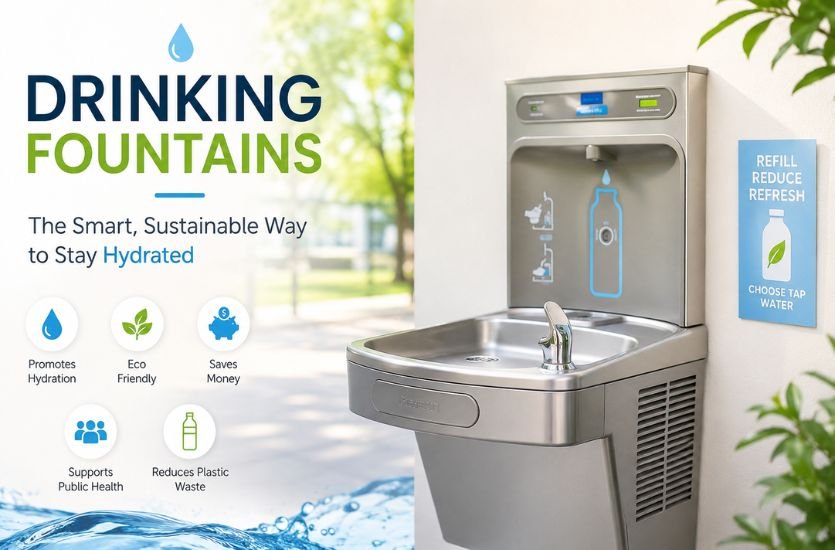

Water has always been one of humanity’s most essential resources, and easy access to clean drinking water has shaped healthier communities throughout history. Among the simplest yet most valuable public amenities are drinking fountains. Found in schools, parks, airports, offices, shopping centers, and countless public spaces, drinking fountains provide free, convenient access to fresh water while supporting public health and environmental sustainability. Although many people use them daily without giving them much thought, modern drinking fountains have evolved into sophisticated hydration stations equipped with filtration systems, touchless technology, and bottle-filling capabilities.
Also Read: Why Soppressata Is One of Italy’s Most Loved Cured Meats
As concerns about plastic waste and healthy hydration continue to grow, drinking fountains have become more relevant than ever. They encourage people to drink more water, reduce dependence on disposable plastic bottles, and contribute to greener cities and healthier lifestyles. Understanding how drinking fountains work, their history, different types, maintenance requirements, and future innovations offers valuable insight into why these simple fixtures remain an essential part of modern infrastructure.
What Are Drinking Fountains?
A drinking fountain is a plumbing fixture designed to provide safe drinking water directly to the public. Water flows upward through a specially designed nozzle, allowing users to drink without placing their mouths directly on the fixture. Modern fountains often include advanced filtration systems, refrigeration units, sensor-based activation, and bottle refill stations, making them more hygienic and convenient than earlier models.
Drinking fountains are installed in locations where large numbers of people gather. Educational institutions rely on them to keep students hydrated throughout the day, while parks and recreational facilities provide outdoor fountains for athletes, families, and visitors. Airports, hospitals, government buildings, office complexes, and shopping malls also install drinking fountains to improve visitor comfort and encourage healthy hydration.
Unlike bottled water, drinking fountains provide unlimited access to clean water without creating plastic waste, making them an environmentally responsible choice for both organizations and communities.
The History of Drinking Fountains
The concept of public drinking water dates back thousands of years. Ancient civilizations understood the importance of providing fresh water to their populations, and many developed sophisticated systems to transport water from natural springs into cities.
The Greeks and Romans became famous for constructing aqueducts and elaborate public fountains that served as both practical water sources and architectural landmarks. These fountains supplied water for drinking, cooking, bathing, and other daily activities while demonstrating the engineering achievements of their civilizations.
During the Middle Ages, public wells and communal fountains became central gathering places where residents collected water for household use. As cities expanded during the Industrial Revolution, concerns about contaminated water supplies led governments and charitable organizations to install dedicated drinking fountains that offered cleaner, safer water to the public.
By the late nineteenth century, public drinking fountains had spread across Europe and North America. These installations helped improve sanitation, reduce alcohol consumption by providing free drinking water, and promoted healthier urban environments. Over time, advances in plumbing, filtration, refrigeration, and accessibility transformed simple water dispensers into the modern drinking fountains used today.
How Drinking Fountains Work
Although drinking fountains appear simple from the outside, they contain several important components that work together to deliver clean drinking water safely and efficiently.
Water enters the fountain through the building’s plumbing system. Many modern fountains pass the incoming water through filtration systems that remove sediment, chlorine, unpleasant tastes, and certain contaminants. Refrigerated models cool the water before it reaches the dispensing nozzle, providing a refreshing drinking experience, especially in warm climates.
When the user presses a button, pedal, or activates a touchless sensor, an internal valve opens and directs water upward through the bubbler nozzle. The specially designed stream arches upward in a controlled manner, allowing users to drink comfortably while minimizing splashing.
After use, excess water drains into a basin connected to the drainage system. Some advanced hydration stations also feature digital counters that display the number of plastic bottles saved by using reusable water bottles instead.
Different Types of Drinking Fountains
Drinking fountains are available in numerous styles designed to suit different environments, user needs, and installation requirements.
Wall-mounted drinking fountains are among the most common indoor models. They save floor space and are frequently installed in schools, office buildings, hospitals, and public facilities.
Pedestal drinking fountains stand independently and are commonly found in parks, playgrounds, sports complexes, and outdoor recreational areas. Their sturdy construction allows them to withstand weather conditions and heavy public use.
Bottle filling stations have become increasingly popular in recent years. These units allow users to refill reusable bottles quickly and hygienically without direct contact with the drinking nozzle. Many institutions now combine traditional drinking fountains with integrated bottle fillers to accommodate different preferences.
Refrigerated drinking fountains provide chilled water using internal cooling systems. These are ideal for schools, fitness centers, and workplaces where users appreciate cold drinking water throughout the day.
Non-refrigerated models offer room-temperature water and are generally less expensive to install and maintain while remaining highly reliable.
Touchless drinking fountains use infrared sensors that activate water flow automatically when hands or bottles are detected. This technology significantly reduces physical contact, improving hygiene in busy public spaces.
Outdoor freeze-resistant drinking fountains are specifically engineered for regions with cold winters. These systems prevent pipes from freezing and maintain reliable operation throughout changing weather conditions.
Benefits of Drinking Fountains
Drinking fountains offer numerous benefits that extend far beyond simple convenience.
One of their greatest advantages is promoting better hydration. Easy access to drinking water encourages people to consume more water throughout the day, supporting concentration, physical performance, digestion, and overall health.
Drinking fountains also provide significant financial savings. Instead of purchasing bottled water repeatedly, individuals can refill reusable bottles or drink directly from public fountains at no cost.
Environmental sustainability represents another major advantage. Millions of disposable plastic bottles are discarded every day, creating enormous waste and pollution. Bottle filling stations encourage reusable containers, reducing plastic production, landfill waste, and carbon emissions associated with bottled water transportation.
Communities also benefit economically because maintaining public drinking fountains is often more cost-effective than relying on bottled water distribution during public events or in government facilities.
Schools, universities, and workplaces report that easily accessible hydration stations contribute to healthier, more productive environments where students and employees remain properly hydrated throughout the day.
Modern Features and Technological Improvements
Today’s drinking fountains are significantly more advanced than traditional models. Manufacturers continually introduce new technologies that improve safety, convenience, efficiency, and user experience.
Many units now include high-performance filtration systems certified to reduce contaminants while improving water taste and odor. Some advanced filters can also reduce lead and other impurities, depending on local water conditions.
Touchless operation has become increasingly common following heightened awareness of public hygiene. Sensor-based activation minimizes contact with shared surfaces and simplifies bottle filling.
Digital bottle counters have become a popular feature in schools, universities, and office buildings. These displays estimate how many disposable plastic bottles have been eliminated through reusable bottle refills, helping organizations measure their environmental impact.
Energy-efficient cooling systems reduce electricity consumption while maintaining consistently chilled drinking water. Manufacturers have also improved insulation and compressor technology to lower operating costs.
Some premium drinking fountains include remote monitoring capabilities that notify maintenance personnel when filters require replacement or when operational issues arise.
Accessibility and Inclusive Design
Modern drinking fountains are designed to serve users of all ages and abilities. Accessibility standards ensure that individuals using wheelchairs or mobility devices can comfortably access clean drinking water.
Lower fountain heights, adequate knee clearance, and easy-to-operate controls make hydration accessible to everyone. Many facilities install dual-height drinking fountains, allowing both adults and children to use them comfortably.
Bottle filling stations further improve accessibility by enabling users to refill containers without awkward lifting or complicated movements. Inclusive design ensures that public hydration remains available to the widest possible audience.
Maintenance and Cleaning
Regular maintenance plays a vital role in keeping drinking fountains safe, hygienic, and fully operational.
Routine cleaning removes dirt, fingerprints, and bacteria from frequently touched surfaces. The bubbler nozzle should be sanitized regularly to maintain proper hygiene, while drainage basins require periodic cleaning to prevent buildup.
Filters must be replaced according to manufacturer recommendations to ensure consistent water quality and optimal performance. Ignoring filter maintenance may reduce water flow and negatively affect taste.
Maintenance personnel should also inspect valves, plumbing connections, cooling systems, and drainage components for leaks or signs of wear. Outdoor fountains require seasonal inspections to prevent freeze damage during colder months.
Proper maintenance extends equipment lifespan while reducing repair costs and ensuring users continue receiving safe drinking water.
Common Problems and Solutions
Although drinking fountains are generally reliable, occasional issues may arise due to heavy usage or aging components.
Reduced water pressure often results from clogged filters, mineral buildup, or partially closed supply valves. Replacing filters and cleaning internal components usually restores normal performance.
Leaking fountains may indicate worn seals, damaged valves, or loose plumbing connections. Prompt repairs help prevent water waste and structural damage.
Mineral deposits caused by hard water can clog bubbler nozzles and restrict water flow. Regular descaling prevents these problems and improves overall performance.
Cooling failures in refrigerated models often require inspection of compressors, thermostats, or refrigeration components. Scheduled preventive maintenance helps identify these issues before complete system failure occurs.
Environmental Impact of Drinking Fountains
Drinking fountains play an increasingly important role in environmental conservation efforts.
Single-use plastic bottles contribute significantly to global pollution, filling landfills and contaminating oceans with plastic waste that may persist for centuries. Every bottle refilled at a hydration station reduces demand for disposable packaging.
Organizations that install bottle filling stations often encourage employees, students, and visitors to carry reusable bottles, creating lasting habits that reduce environmental impact.
Many municipalities include drinking fountains in broader sustainability initiatives aimed at lowering plastic consumption, conserving resources, and promoting healthier communities.
By providing free access to clean water, drinking fountains also reduce transportation emissions associated with bottled water manufacturing, shipping, storage, and retail distribution.
Choosing the Right Drinking Fountain
Selecting the ideal drinking fountain depends on several practical considerations.
Installation location is one of the most important factors. Indoor environments typically prioritize aesthetics and space efficiency, while outdoor installations require weather-resistant construction and vandal-resistant features.
Water filtration should be considered where water quality concerns exist. High-quality filters improve taste while removing various contaminants.
Facilities expecting heavy usage often benefit from combination units featuring both traditional drinking fountains and bottle filling stations. This design accommodates different user preferences while minimizing waiting times.
Accessibility, energy efficiency, maintenance requirements, durability, and long-term operating costs should all influence purchasing decisions. Investing in high-quality commercial-grade equipment generally results in lower maintenance expenses and longer service life.
The Future of Drinking Fountains
As cities continue investing in sustainable infrastructure, drinking fountains are expected to become even smarter and more efficient.
Future models may include advanced water quality monitoring, real-time maintenance alerts, enhanced filtration technologies, and greater integration with smart building management systems. Solar-powered outdoor fountains may become more common in parks and recreational areas, reducing energy consumption while expanding access to clean drinking water.
Innovations in antimicrobial materials, touchless controls, and digital monitoring will likely continue improving hygiene and reliability. As reusable water bottles become increasingly popular worldwide, bottle filling stations will remain a central feature of modern drinking fountain design.
Conclusion
Drinking fountains represent far more than simple public plumbing fixtures. They support healthy hydration, encourage sustainable living, reduce plastic waste, save money, and provide communities with reliable access to clean drinking water. From ancient civilizations that built elaborate public fountains to today’s technologically advanced hydration stations, these systems have continually evolved to meet changing public needs.
Modern drinking fountains combine convenience, accessibility, environmental responsibility, and innovative engineering to create healthier public spaces. Whether installed in schools, parks, airports, offices, or recreational facilities, they remain an essential investment in public health and sustainability. As technology continues advancing and environmental awareness grows, drinking fountains will continue playing a vital role in building cleaner, healthier, and more sustainable communities for generations to come.