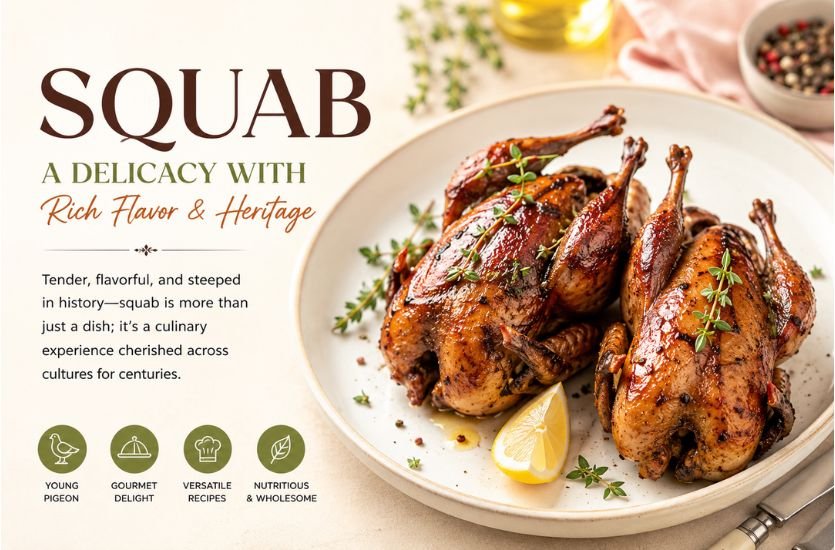

Across the world, some foods carry centuries of tradition, cultural meaning, and culinary prestige. Squab is one of those rare foods that has remained a delicacy for generations. Although many people recognize pigeons as common city birds, squab represents a very different side of the pigeon family. It refers to a young domestic pigeon raised specifically for its tender, flavorful meat, often appearing in fine dining restaurants and traditional cuisines around the world.
From ancient civilizations to modern kitchens, squab has been appreciated for its rich taste, delicate texture, and unique culinary qualities. Unlike ordinary pigeons found in urban areas, squabs are carefully bred and raised under controlled conditions to provide high-quality meat. Their popularity continues today among chefs, food enthusiasts, and cultures where pigeon dishes hold an important place in traditional cooking.
Understanding what squab is, how it differs from regular pigeons, why it is considered a premium food, and how it is prepared can reveal why this small bird has earned such a significant reputation in global cuisine.
What Is Squab?
Squab is a young domestic pigeon that is usually harvested for food when it is around four weeks old, before it develops the ability to fly. At this stage, the bird has a tender body, soft muscles, and a higher fat content compared with mature pigeons. These characteristics make squab meat especially desirable among chefs and food lovers.
The term “squab” generally refers to both the young pigeon itself and the meat produced from that bird. While pigeons can live for many years, culinary squabs are raised specifically for their meat rather than kept as pets or used for other purposes.
Unlike wild or urban pigeons, farm-raised squabs come from specialized breeding programs. Farmers select pigeon breeds that grow quickly, produce more meat, and have desirable qualities for cooking. The controlled environment allows producers to maintain consistent quality and ensure that the birds are healthy.
Squab has been considered a luxury ingredient because each bird provides a relatively small amount of meat compared with larger poultry animals such as chickens or turkeys. Its limited production and unique flavor contribute to its premium status.
The Difference Between Squab and Pigeon
Many people wonder whether squab and pigeon are the same thing. The answer is yes and no. A squab is technically a pigeon, but not every pigeon is a squab.
The main difference is age. Squab refers specifically to a young pigeon, usually less than one month old, while a pigeon is often used to describe an adult bird. As pigeons mature, their muscles become stronger because of flying activity, which changes the texture and flavor of the meat.
Squab meat is known for being softer, juicier, and more delicate than adult pigeon meat. Because young birds have not developed strong flying muscles, their meat remains tender and contains more natural fat. Adult pigeons usually have a firmer texture and a stronger, more game-like flavor.
Another major difference is how the birds are raised. Culinary squabs are usually produced on farms where they receive proper nutrition and care. City pigeons, which people commonly see in urban environments, are not the same as farm-raised squabs and are not considered suitable for consumption.
What Does Squab Meat Taste Like?
Squab meat has a distinctive flavor that separates it from other types of poultry. Many chefs describe it as richer and more intense than chicken while still maintaining a tender texture. The meat is dark, similar to duck or other dark poultry, because of its natural composition.
The flavor of squab is often described as earthy, slightly sweet, and savory. It has a deeper taste than chicken but is usually milder than some game meats. Because the bird is small, the flavor is concentrated, allowing even a simple preparation method to create an impressive dish.
The breast meat is considered the most valuable part of the bird because it is tender and flavorful. The legs and other parts also contain rich flavors and are commonly used in slow-cooked recipes.
Many professional chefs appreciate squab because it absorbs sauces, herbs, and spices well. It can be prepared using different techniques, including roasting, grilling, braising, and pan-searing.
History of Squab as a Food
The relationship between humans and pigeons goes back thousands of years. Ancient civilizations raised pigeons not only for communication purposes but also as a source of food. Archaeological evidence suggests that pigeon farming existed in regions such as Egypt and the Mediterranean long before modern farming systems developed.
In ancient Rome, pigeon dishes were enjoyed by wealthy families and were often associated with special occasions. Over time, pigeon farming spread across Europe, Asia, and the Middle East.
In many Asian cultures, especially Chinese cuisine, squab has remained an important traditional dish. Roasted squab is often served during celebrations because it represents quality, hospitality, and prosperity. Cantonese cooking, in particular, is famous for preparing squab with crispy skin and flavorful seasoning.
European cuisine also developed many classic squab recipes. French chefs have historically used squab in sophisticated dishes, combining the bird with sauces, vegetables, and herbs to create elegant meals.
Today, squab continues to appear in high-end restaurants worldwide, where chefs use traditional methods as well as modern culinary techniques.
Squab Farming and Production
Squab farming is a specialized form of pigeon breeding focused on producing young birds for meat. Unlike chicken farming, which can operate on a massive industrial scale, squab production is smaller and requires careful management.
Farmers typically raise breeding pairs of pigeons. These parent birds produce eggs and feed their young naturally. Pigeons have a unique ability to produce a nutrient-rich substance called crop milk, which helps young squabs grow quickly during their early development.
After several weeks, the young birds reach the ideal size and weight for harvesting. The process requires attention to hygiene, nutrition, and animal care to maintain quality.
Popular meat-producing pigeon breeds include King pigeons, Carneau pigeons, and other utility breeds selected for their body size and meat production.
Because squabs take longer to produce compared with some other poultry options and provide less meat per animal, their price is generally higher. This limited supply is one reason why squab is often considered a specialty food.
Nutritional Value of Squab Meat
Squab meat provides several important nutrients that make it a valuable source of protein. Like other poultry meats, it contains essential amino acids that support muscle development and overall health.
The meat is particularly known for providing nutrients such as iron, zinc, and vitamin B12. Iron plays an important role in producing healthy blood cells, while vitamin B12 supports the nervous system and energy metabolism.
Because squab is dark meat, it contains more flavor compounds and certain nutrients compared with lighter poultry meats. However, like all meats, its nutritional value depends on preparation methods. Cooking techniques that use excessive amounts of oil or heavy sauces can increase calorie content.
When prepared using balanced cooking methods, squab can be part of a nutritious diet.
Popular Ways to Cook Squab
Squab is valued by chefs because it can be prepared in many different ways while maintaining its natural flavor.
Roasting is one of the most traditional methods. Whole squabs are often seasoned with herbs and spices before being roasted until the skin becomes crisp while the inside remains juicy.
Braising is another popular technique, especially in Asian cuisines. The bird is slowly cooked with sauces, vegetables, and spices, allowing the flavors to develop deeply.
Grilling gives squab a smoky flavor and creates a slightly crispy exterior. Because the meat is delicate, careful cooking is important to prevent it from becoming dry.
Stuffed squab is also popular in some regions, where the bird is filled with rice, herbs, nuts, or vegetables before cooking. This method is often used during celebrations and special meals.
Why Is Squab Expensive?
Squab is more expensive than common poultry because of several factors related to production and availability.
One reason is the size of the bird. A single squab provides much less meat compared with a chicken, meaning more birds are required to serve the same amount of food.
Another factor is the farming process. Squab production depends on breeding pairs and natural growth cycles, making it difficult to scale production as quickly as chicken farming.
The bird’s reputation as a gourmet ingredient also affects its price. Many luxury restaurants include squab on their menus because customers associate it with traditional cuisine and premium dining experiences.
The combination of limited supply, specialized farming, and culinary value makes squab a high-end food choice.
Is Squab Safe to Eat?
Farm-raised squab is considered safe to eat when it is properly handled, stored, and cooked. Professional producers follow food safety practices to ensure the meat meets quality standards.
However, wild pigeons and urban birds should not be considered the same as commercially raised squabs. City pigeons may be exposed to pollution, harmful substances, and unsafe environments, making them unsuitable for consumption.
As with any poultry product, proper cooking temperatures and food handling practices are important for reducing health risks.
Squab Around the World
Squab has a place in many international cuisines because of its unique flavor and cultural history.
In China, roasted squab is one of the most famous preparations. The dish is valued for its crispy skin, tender meat, and aromatic seasoning.
In France, squab has traditionally appeared in elegant dishes prepared with sauces, vegetables, and wine-based flavors.
In parts of the Middle East, pigeon dishes are often prepared with rice and spices, creating rich and comforting meals.
Across different cultures, squab represents more than just food. It reflects tradition, craftsmanship, and the connection between farming and cuisine.
Final Thoughts on Squab
Squab is a fascinating example of how a small bird can become a globally respected culinary ingredient. While many people associate pigeons with city environments, squab represents a carefully raised and highly valued form of pigeon used in traditional and modern cooking.
Its tender texture, rich flavor, nutritional benefits, and long history have helped it maintain a special position in international cuisine. From ancient meals to modern fine dining, squab continues to attract chefs and food enthusiasts who appreciate unique flavors and traditional foods.
Whether enjoyed roasted, braised, grilled, or prepared in regional styles, squab remains a remarkable delicacy that showcases the diversity and history of food around the world.