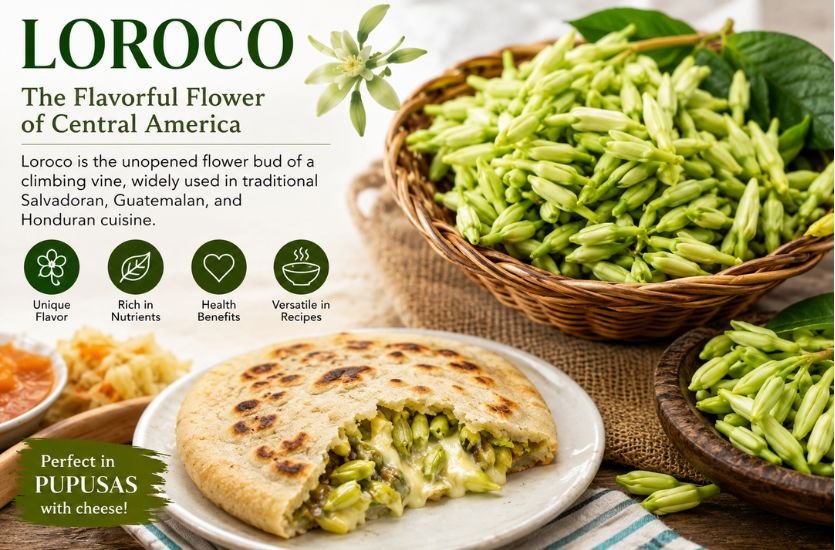

Hidden within the lush landscapes of Central America is a flowering vine that has quietly shaped generations of family recipes and cultural traditions. While many people around the world recognize ingredients like basil, rosemary, or edible squash blossoms, loroco remains one of the region’s best-kept culinary treasures. Its delicate unopened flower buds carry a distinctive aroma and flavor that instantly transforms simple dishes into memorable meals. From bustling street markets in El Salvador to family kitchens in Guatemala and Honduras, loroco has earned a special place on the dining table, and today it is steadily attracting food lovers across the globe.
Also Read: Platform Event Trap
As global interest in authentic regional cuisines continues to grow, loroco is no longer confined to its native homeland. Chefs, home cooks, and food enthusiasts are discovering its unique taste, impressive nutritional profile, and remarkable versatility. Whether folded into traditional pupusas, blended into creamy sauces, or added to savory fillings, loroco delivers an unforgettable combination of floral, earthy, and herbaceous notes that cannot easily be replicated by any other ingredient.
What Is Loroco?
Loroco is the unopened flower bud of Fernaldia pandurata, a perennial climbing vine belonging to the Apocynaceae family. The plant thrives in warm tropical and subtropical climates, particularly throughout El Salvador, Guatemala, Honduras, Nicaragua, and parts of southern Mexico. Before the flower fully blooms, the buds are carefully harvested, preserving their tender texture and concentrated flavor.
Unlike ornamental flowers grown solely for decoration, loroco has been cultivated for centuries specifically as a food crop. The buds are relatively small, green, and tightly closed when harvested. Once picked, they can be used fresh, preserved, or frozen for later culinary use.
Although botanists have historically referred to the plant by the scientific name Echites panduratus, modern botanical classification recognizes it primarily as Fernaldia pandurata. Regardless of the scientific terminology, the culinary significance of loroco remains unchanged.
A Rich History Rooted in Central American Culture
Loroco has deep historical roots that stretch back long before modern agriculture. Indigenous communities throughout Central America recognized the value of this edible flower and incorporated it into their daily meals. Its cultivation became intertwined with regional farming traditions, and knowledge about growing, harvesting, and cooking loroco was passed from one generation to another.
Today, loroco remains especially important in El Salvador, where it is considered one of the country’s signature ingredients. It is impossible to discuss Salvadoran cuisine without mentioning the famous cheese and loroco pupusa, a dish that has become an international symbol of the nation’s culinary heritage.
The popularity of loroco also extends throughout Guatemala and Honduras, where local families continue to prepare recipes that have remained largely unchanged for decades. As migration introduced Central American communities to new countries, loroco traveled with them, finding its way into specialty grocery stores and international restaurants around the world.
The Loroco Plant
The loroco plant is a vigorous perennial vine capable of climbing fences, trellises, and other supporting structures. Under favorable conditions, it grows rapidly and produces numerous clusters of fragrant flower buds during the growing season.
Its leaves are broad, green, and heart-shaped, providing an attractive backdrop to the developing flowers. Because the buds are harvested before blooming, many people who regularly eat loroco have never actually seen the fully opened flowers.
The plant prefers warm temperatures, abundant sunlight, fertile soil, and consistent moisture without waterlogging. In tropical climates, loroco can produce harvests over multiple years, making it a valuable crop for small-scale farmers.
What Does Loroco Taste Like?
One of the most fascinating characteristics of loroco is its unique flavor profile. It is difficult to compare directly with any single herb, vegetable, or flower because it combines several subtle taste elements into one ingredient.
Many people describe loroco as having floral notes balanced by earthy undertones. Others notice similarities to asparagus, artichokes, green herbs, or even mild garlic and onions. The buds possess a delicate bitterness that enhances savory dishes without becoming overwhelming.
When cooked with cheese, loroco develops an especially rich and aromatic flavor that explains why the combination has become one of the most beloved pairings in Central American cuisine.
Unlike highly aromatic herbs that dominate recipes, loroco complements other ingredients while maintaining its own distinctive identity.
Nutritional Profile of Loroco
Although loroco is generally consumed in modest quantities, it contributes valuable nutrients to a balanced diet. The flower buds contain dietary fiber, vitamins, minerals, and naturally occurring plant compounds that support overall health.
Vitamin A contributes to healthy vision, immune function, and skin maintenance. Vitamin C supports immune defenses while helping the body produce collagen and absorb iron more efficiently.
Loroco also provides calcium, an essential mineral for maintaining healthy bones and teeth. Iron plays a vital role in oxygen transport throughout the body, while potassium supports proper muscle function and helps regulate blood pressure.
Magnesium, another mineral found in loroco, contributes to hundreds of biochemical processes, including nerve function, muscle contraction, and energy production.
In addition to these nutrients, loroco contains antioxidants that help protect cells from oxidative stress caused by unstable molecules known as free radicals.
Potential Health Benefits
The nutritional composition of loroco suggests several potential health advantages when included as part of a balanced diet. Because it contains antioxidants, vitamins, and minerals, it may contribute to overall wellness and healthy body function.
The dietary fiber present in loroco supports digestive health by promoting regular bowel movements and encouraging a healthy gut environment. Fiber also contributes to satiety, helping individuals feel fuller after meals.
Vitamin C and antioxidant compounds assist the body’s natural defense systems by reducing oxidative stress and supporting normal immune responses.
The relatively low calorie content of loroco makes it an excellent ingredient for people seeking flavorful additions to meals without significantly increasing calorie intake.
Like many vegetables and edible flowers, loroco is most beneficial when consumed as part of a varied diet rich in fruits, vegetables, whole grains, and lean proteins. While it is nutritious, it should not be viewed as a miracle food or replacement for medical treatment.
Loroco in Traditional Cuisine
Few ingredients are as closely associated with Salvadoran cuisine as loroco. Its most iconic role is inside pupusas, thick handmade corn tortillas stuffed with cheese, beans, meat, or vegetables before being cooked on a hot griddle.
The cheese-and-loroco filling has become a classic combination because the creamy richness of melted cheese perfectly balances the floral and earthy characteristics of the flower buds.
Beyond pupusas, loroco appears in a remarkable variety of traditional dishes. Families often add it to scrambled eggs for breakfast, creating a simple yet flavorful meal. It also finds its way into rice dishes, soups, stews, tamales, empanadas, and savory pastries.
Some cooks blend loroco into cream sauces served over chicken or vegetables, while others incorporate it into omelets and casseroles. Modern chefs have expanded its use further by adding loroco to pizzas, pasta, gourmet sandwiches, and fusion cuisine.
Its adaptability allows it to pair beautifully with dairy products, vegetables, poultry, seafood, and grains.
How Loroco Is Harvested
Timing is critical when harvesting loroco. Farmers collect the flower buds while they remain tightly closed because this stage offers the ideal balance of tenderness, aroma, and flavor.
If left too long, the flowers begin to open, reducing the culinary qualities that make loroco so highly valued. Harvesting usually takes place by hand to avoid damaging the delicate buds or surrounding vines.
Once collected, fresh loroco can be used immediately or prepared for preservation through freezing or pickling, allowing consumers to enjoy it even when it is out of season.
Fresh, Frozen, and Preserved Loroco
Fresh loroco offers the strongest fragrance and the most delicate texture. However, because it is highly perishable, fresh buds are primarily available in regions where the plant is cultivated.
Frozen loroco has become the most common option for international consumers. Freezing preserves much of its flavor while extending shelf life considerably, making export possible to countries with significant Central American communities.
Some producers also preserve loroco in brine, allowing it to remain shelf-stable for longer periods. Before cooking, preserved loroco is usually rinsed to remove excess salt.
Each form has its advantages, but frozen loroco often provides the closest experience to freshly harvested buds.
Growing Loroco at Home
Gardeners living in tropical or frost-free climates may successfully cultivate loroco with proper care. The vine requires full sunlight or partial shade, fertile well-drained soil, and regular watering during active growth.
Providing a sturdy trellis or climbing structure encourages healthy development while making harvesting easier. Because loroco naturally climbs, vertical support maximizes productivity and improves airflow around the plant.
Propagation commonly occurs through stem cuttings or seeds, although cuttings often establish more quickly. Once mature, healthy plants can continue producing flower buds over multiple growing seasons.
In cooler regions, gardeners sometimes grow loroco in large containers that can be moved indoors during cold weather, although consistent warmth remains essential for successful production.
Buying and Storing Loroco
Outside Central America, loroco is most commonly available at Latin American grocery stores and specialty international food markets. Frozen packages are generally the easiest option to find.
When purchasing frozen loroco, check that the packaging remains intact and free from excessive ice crystals, which may indicate repeated thawing and refreezing.
Fresh loroco should appear vibrant, firm, and free from discoloration or spoilage. Refrigeration helps preserve freshness for several days, although prompt use is recommended.
Frozen loroco should remain in the freezer until needed and should not be repeatedly thawed and refrozen, as this can affect texture and flavor.
Loroco in Modern Global Cuisine
As international chefs continue exploring authentic regional ingredients, loroco is gaining recognition well beyond Central America. Contemporary restaurants now feature loroco in gourmet appetizers, artisan pizzas, stuffed pastas, creamy risottos, and elegant vegetable dishes.
Food enthusiasts appreciate loroco not only because of its unique flavor but also because it introduces diners to an important part of Central American culinary heritage.
The growing popularity of global cuisines has encouraged more food distributors to import frozen loroco, making it increasingly accessible to consumers who wish to recreate traditional recipes at home.
Social media and cooking websites have also contributed to its rising profile, inspiring adventurous cooks to experiment with this remarkable edible flower.
Why Loroco Continues to Matter
Loroco represents much more than a culinary ingredient. It reflects generations of agricultural knowledge, cultural identity, and family traditions that have shaped Central American cuisine for centuries.
For many Salvadorans living abroad, preparing meals with loroco provides a meaningful connection to home and heritage. The familiar aroma of cheese melting with freshly cooked loroco often evokes memories of family gatherings, celebrations, and everyday meals shared around the table.
At the same time, loroco demonstrates how regional foods can gain international appreciation without losing their cultural significance. As consumers become more interested in authentic flavors and sustainable agriculture, traditional ingredients like loroco continue to find new audiences worldwide.
Frequently Asked Questions (FAQ)
What is loroco?
Loroco is the unopened flower bud of the Fernaldia pandurata vine, native to Central America. It is widely used in Salvadoran, Guatemalan, and Honduran cuisine for its unique floral and earthy flavor.
What does loroco taste like?
Loroco has a distinctive taste that combines mild floral notes with earthy, herbal, and slightly nutty flavors. Many people compare it to a blend of asparagus, artichokes, and fresh herbs.
Is loroco healthy?
Yes. Loroco contains dietary fiber, vitamins A and C, calcium, iron, potassium, magnesium, and antioxidants that can support overall health when included in a balanced diet.
How is loroco usually eaten?
Loroco is commonly cooked with cheese in traditional Salvadoran pupusas. It is also used in omelets, soups, rice dishes, tamales, empanadas, pasta, sauces, and casseroles.
Can loroco be eaten raw?
Loroco is generally cooked before eating. Cooking enhances its flavor and softens the flower buds, making them more enjoyable in a variety of dishes.
Where does loroco grow?
Loroco grows naturally in warm tropical and subtropical regions of Central America, especially El Salvador, Guatemala, Honduras, Nicaragua, and southern Mexico.
Is frozen loroco as good as fresh?
Fresh loroco offers the strongest aroma and the most delicate texture, but frozen loroco retains much of its flavor and is the most common option available outside Central America.
Can you grow loroco at home?
Yes. Loroco can be grown in warm climates with well-drained soil, regular watering, and a climbing support such as a trellis or fence.
Is loroco vegetarian?
Yes. Loroco is a plant-based edible flower and is suitable for vegetarian and vegan diets, although it is often paired with cheese in traditional recipes.
Where can I buy loroco?
Loroco is commonly available at Latin American grocery stores, Salvadoran markets, specialty food retailers, and international supermarkets, usually in frozen or preserved form.
Conclusion
Loroco is far more than an edible flower—it is a cherished symbol of Central American culinary heritage. Its delicate floral aroma, earthy flavor, and remarkable versatility have made it a staple ingredient in traditional dishes for generations. From the iconic cheese-filled pupusa to soups, tamales, and modern fusion recipes, loroco adds a unique depth of flavor that few ingredients can match.
Beyond its culinary appeal, loroco offers valuable nutrients, including vitamins, minerals, fiber, and antioxidants, making it a nutritious addition to a balanced diet. As international interest in authentic regional cuisine continues to grow, this once little-known flower is finding its place in kitchens around the world. Whether you are exploring Salvadoran cuisine for the first time or looking to expand your cooking with unique ingredients, loroco is well worth discovering for its rich history, distinctive taste, and lasting cultural significance.