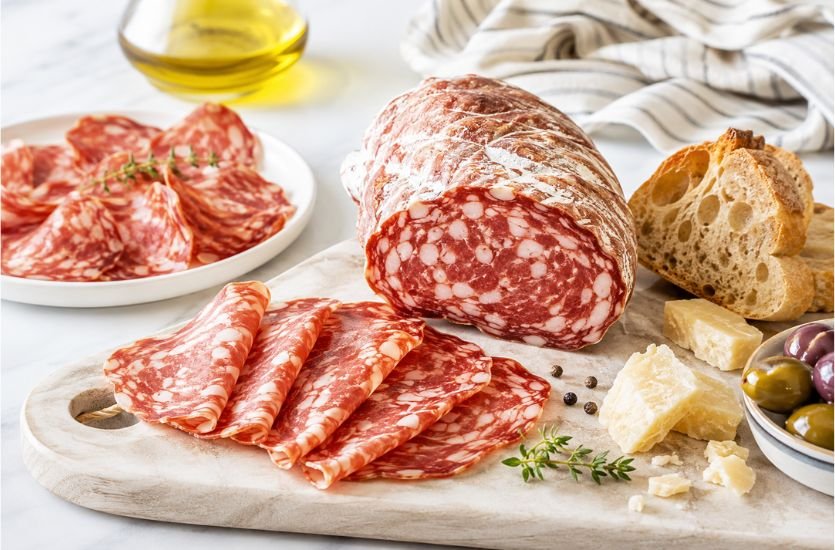

Every slice tells a story of tradition, craftsmanship, and centuries of Italian culinary heritage. Soppressata is far more than just another type of salami—it is a celebration of regional flavors, artisanal techniques, and the time-honored practice of preserving meat through curing. Recognized for its coarse texture, rich seasoning, and unmistakable flattened shape, soppressata has earned a place on charcuterie boards, gourmet sandwiches, artisan pizzas, and fine dining menus around the world.
Whether you are discovering this Italian delicacy for the first time or looking to understand what makes it different from other cured meats, this guide explores everything you need to know about soppressata. From its fascinating history and traditional production methods to regional varieties, serving suggestions, nutritional value, and storage tips, you’ll gain a complete understanding of why this classic salume continues to captivate food lovers everywhere.
Also Read: DSW Near Me: How to Find the Closest Designer Shoe Warehouse and Shop Smarter
What Is Soppressata?
Soppressata is a traditional Italian dry-cured sausage made primarily from high-quality pork. Unlike many commercially produced salamis that use finely ground meat, authentic soppressata features coarsely chopped cuts of pork mixed with visible cubes of fat, creating a hearty texture and rustic appearance.
One of its defining characteristics is its slightly flattened shape. After the seasoned meat is stuffed into natural casings, producers gently press the sausages during the early stages of curing. This pressing process not only creates the signature appearance but also influences the texture that distinguishes soppressata from many other cured meats.
Depending on the region where it is produced, soppressata can range from mild and aromatic to intensely spicy, reflecting Italy’s remarkable culinary diversity.
The Origin and History of Soppressata
The origins of soppressata stretch back hundreds of years to Southern Italy, where preserving meat was a necessity rather than a culinary luxury. Before refrigeration existed, Italian farming families needed reliable ways to store pork harvested during the annual winter pig slaughter.
Instead of wasting valuable meat, every usable portion of the animal was carefully prepared using salt, spices, and air-drying techniques that allowed it to remain edible for months. These preservation methods became deeply rooted in rural traditions, with recipes passed down from one generation to the next.
Many historians believe similar curing techniques date back to Ancient Rome, where salt and controlled drying were widely used to preserve meat for soldiers and travelers. Over time, regional communities refined these methods into unique local specialties, giving rise to the many varieties of soppressata enjoyed today.
Even in modern Italy, many families continue making homemade soppressata each winter, preserving not only the meat but also centuries of cultural tradition.
Why Is It Called Soppressata?
The name “soppressata” comes from the Italian word soppressare, meaning “to press.”
After the seasoned pork mixture is stuffed into natural casings, the sausages are traditionally placed beneath wooden boards or light weights. This gentle pressing creates the flattened shape that immediately distinguishes authentic soppressata from cylindrical salamis.
Although modern commercial production often uses specialized equipment, many artisan producers still rely on traditional pressing techniques that have remained virtually unchanged for generations.
Regional Varieties Across Italy
One of the reasons soppressata is so fascinating is that no single recipe defines it. Different Italian regions produce their own distinctive versions, each influenced by local ingredients, climate, and culinary traditions.
Calabria is perhaps the most famous producer of soppressata. Calabrian soppressata is celebrated for its bold flavor and generous use of local chili peppers, giving it a pleasantly spicy finish. This variety has earned Protected Designation of Origin (PDO) status from the European Union, ensuring that only producers following strict traditional methods within Calabria can use the official name.
Basilicata also produces exceptional soppressata, often seasoned with garlic and black pepper while maintaining a coarse texture that reflects its rustic origins.
In Apulia, producers focus on highlighting the natural richness of the pork with balanced seasoning that allows the meat to remain the star of the product.
Northern regions such as Veneto create Sopressa Veneta, which shares similarities with soppressata while featuring its own regional production methods and flavor characteristics.
Tuscany and Liguria offer milder interpretations that emphasize aromatic herbs and subtle seasoning instead of intense spice.
These regional differences demonstrate how one traditional food can evolve into numerous unique culinary identities while maintaining its authentic roots.
Traditional Ingredients
Although recipes vary between regions and even families, authentic soppressata generally contains a relatively simple list of ingredients.
Premium pork shoulder serves as the primary meat because of its ideal balance of lean muscle and natural flavor. Pork belly or fatback provides the visible fat that contributes richness and moisture throughout the curing process.
Salt plays a critical role in preservation while enhancing the meat’s natural taste. Black pepper, garlic, paprika, crushed red chili peppers, and occasionally fennel seeds create layers of flavor unique to each producer.
Some traditional recipes also incorporate dry red wine, which adds subtle complexity and supports fermentation during the curing process.
Unlike many processed meats that rely on artificial additives, artisan soppressata celebrates high-quality ingredients and time-tested craftsmanship.
How Soppressata Is Made
Producing authentic soppressata is a lengthy process that requires patience, precision, and favorable environmental conditions.
The journey begins with selecting fresh pork cuts that contain the proper balance of lean meat and fat. Rather than grinding everything into a smooth paste, producers coarsely chop or grind the meat to preserve its rustic texture.
The pork is thoroughly mixed with salt and carefully measured seasonings before being stuffed into cleaned natural casings. Once filled, the sausages are gently pressed to create their characteristic flattened profile.
The curing process then begins. During fermentation, beneficial bacteria help develop flavor while lowering the pH, making the product safer for long-term preservation.
Following fermentation, the sausages are transferred to temperature- and humidity-controlled curing rooms where they slowly lose moisture over several weeks or even months.
Throughout aging, enzymes naturally break down proteins and fats, creating the rich, savory flavors that define high-quality soppressata. Depending on the style, curing may last anywhere from 45 days to more than three months.
The result is a firm, flavorful cured meat with remarkable depth and complexity.
Flavor and Texture
Soppressata offers an eating experience unlike many other cured meats.
Its coarse grind creates an appealing bite, allowing diners to appreciate individual pieces of lean pork and creamy fat rather than a uniform texture.
Flavor varies by region, but most varieties deliver a satisfying balance of saltiness, savory umami, garlic, black pepper, and subtle fermentation. Spicy versions introduce pleasant heat without overwhelming the meat’s natural richness.
Long curing develops earthy, nutty notes while concentrating flavor as moisture slowly evaporates.
Every slice reflects the patience invested during production, rewarding careful craftsmanship with exceptional taste.
Soppressata vs. Salami
Many people assume soppressata is simply another name for salami, but there are important distinctions.
Salami is a broad category that includes hundreds of cured sausage varieties produced throughout Italy and other countries. Soppressata represents one specific style within that larger family.
Authentic soppressata uses a noticeably coarser grind than most traditional salamis. It also features the signature flattened shape produced through pressing during curing.
The flavor tends to be bolder, with stronger garlic, pepper, and regional spices creating a more rustic profile than many commercially produced salamis.
Texture is another major difference. Soppressata delivers a hearty bite that highlights visible meat and fat rather than the smoother consistency commonly found in finely ground salami.
Soppressata vs. Pepperoni
Although both products belong to the cured meat family, soppressata and pepperoni have different origins and purposes.
Pepperoni originated in the United States as an Italian-American creation inspired by traditional salami. It commonly combines pork and beef with paprika and other spices to produce its signature smoky, spicy flavor.
Soppressata remains deeply rooted in Italian regional traditions, relying almost exclusively on pork and emphasizing artisanal curing techniques over mass production.
Pepperoni is most often associated with pizza, while soppressata appears across a wider variety of culinary applications including charcuterie boards, gourmet sandwiches, antipasto platters, and upscale appetizers.
Nutritional Value
Soppressata is naturally rich in protein, making it a satisfying addition to meals and snacks.
It also supplies important nutrients such as vitamin B12, zinc, and iron, which contribute to energy production, immune function, and red blood cell formation.
However, because it is a cured meat, soppressata contains relatively high levels of sodium and saturated fat. Like many traditional delicacies, it is best enjoyed in moderation as part of a balanced diet.
The exact nutritional profile varies depending on the recipe, curing duration, and fat content used by individual producers.
Popular Ways to Serve Soppressata
Soppressata’s bold flavor makes it remarkably versatile in both casual and gourmet cuisine.
Charcuterie boards remain one of the most popular serving methods, where thin slices are paired with artisan cheeses, olives, roasted nuts, dried fruits, and crusty bread.
It also elevates gourmet pizzas by adding rich, savory depth that complements tomato sauce and melted cheese.
Italian sandwiches benefit from its robust flavor, especially when combined with provolone, fresh mozzarella, roasted peppers, arugula, or olive tapenade.
Many chefs incorporate soppressata into pasta dishes, salads, antipasto platters, and bruschetta, where its concentrated flavor enhances simple ingredients without requiring large portions.
Best Cheese and Wine Pairings
Choosing the right accompaniments allows soppressata’s complex flavors to shine.
Firm Italian cheeses such as Parmigiano-Reggiano, Pecorino Romano, and aged Asiago complement its salty richness beautifully. Softer options like mozzarella and Taleggio provide creamy contrast that balances spicy varieties particularly well.
Red wines remain the traditional pairing because their tannins and fruit flavors match the richness of cured pork. Chianti, Montepulciano, Barbera, Nero d’Avola, and Sangiovese all pair exceptionally well with various styles of soppressata.
These combinations create an authentic Italian dining experience that highlights the craftsmanship behind every ingredient.
How to Store Soppressata
Proper storage helps preserve both flavor and texture.
Whole, unopened soppressata should be kept in a cool, dry environment until it is ready to be consumed. Once sliced or opened, refrigeration becomes essential.
Wrapping slices in parchment paper or butcher paper before placing them inside a loosely sealed container helps maintain moisture while allowing limited airflow.
Plastic wrap pressed tightly against the meat can trap excess moisture, potentially affecting texture over time.
For the best quality, sliced soppressata should be enjoyed within a few weeks, while whole cured sausages generally remain fresh much longer when stored correctly.
Why Soppressata Remains Popular Today
Despite the rise of mass-produced deli meats, soppressata continues to attract food lovers seeking authenticity and craftsmanship.
Consumers increasingly appreciate foods made using traditional methods, simple ingredients, and regional recipes that tell a story beyond convenience. Soppressata embodies these qualities through its centuries-old production techniques and unmistakable flavor.
Its versatility also contributes to its enduring appeal. Whether served at elegant wine tastings, family gatherings, casual lunches, or holiday celebrations, soppressata fits comfortably into countless culinary settings.
As global interest in Italian cuisine continues to grow, this rustic cured meat remains one of Italy’s most respected gastronomic treasures.
Final Thoughts
Soppressata represents far more than a delicious cured meat—it reflects generations of Italian tradition, regional pride, and artisan craftsmanship. Its coarse texture, bold seasoning, distinctive flattened shape, and carefully controlled curing process set it apart from ordinary salami while showcasing the remarkable diversity of Italy’s culinary heritage.
From its humble beginnings as a practical method of preserving pork to its status as a gourmet delicacy enjoyed around the world, soppressata continues to honor the values of quality ingredients, patience, and skilled craftsmanship. Whether featured on a charcuterie board, layered into a sandwich, or served alongside fine cheese and wine, every slice delivers a rich taste of authentic Italian culture that has stood the test of time.