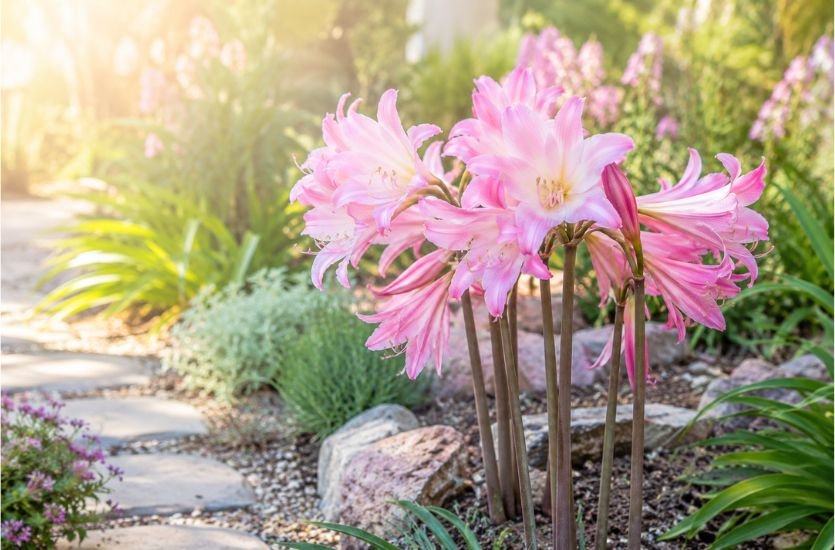

A garden can transform completely when a single flower bursts into bloom at exactly the right moment. Among the many ornamental flowering plants admired by gardeners around the world, few create as much excitement as אמריליס יפהפה. Its tall flower stalks, graceful trumpet-shaped blossoms, and remarkable blooming habit make it one of the most eye-catching plants in any landscape. Unlike many flowering species that display leaves and flowers at the same time, this remarkable plant surprises gardeners by producing elegant blooms on bare stems, creating an unforgettable display that instantly becomes the center of attention.
Known botanically as Amaryllis belladonna, אמריליס יפהפה is cherished for its beauty, fragrance, and resilience. Native to South Africa, it has become a favorite ornamental plant in warm and temperate regions across the globe. Whether planted in borders, cottage gardens, rock gardens, or decorative containers, it rewards gardeners with spectacular flowers that appear when many other summer blooms begin to fade.
Also Read: Telephone Area Code 304: History, Coverage, Cities, and Complete Guide
Understanding אמריליס יפהפה
אמריליס יפהפה belongs to the Amaryllidaceae family and is considered one of the most elegant perennial bulb plants grown in gardens. It develops from a large underground bulb that stores nutrients and energy throughout the year. This stored energy allows the plant to produce impressive flowers with relatively little maintenance.
One of the most fascinating aspects of this plant is its unusual growth cycle. Instead of producing leaves before flowering like many other ornamental plants, the flower stalk emerges first. The leaves appear only after the flowering season has ended, giving the plant its famous nickname, “Naked Lady Lily.” This unique characteristic creates an elegant and dramatic display that surprises even experienced gardeners.
Although many people use the word “amaryllis” to describe popular indoor holiday flowers, the true botanical species referred to by the Hebrew keyword אמריליס יפהפה is distinct and has its own unique growth habits, appearance, and cultivation requirements.
Native Habitat and Natural Distribution
אמריליס יפהפה originates from the Cape Province of South Africa, a region famous for its incredible diversity of flowering bulbs. The climate there features cool, wet winters and warm, dry summers, conditions that have shaped the plant’s natural growth cycle over thousands of years.
Today, gardeners cultivate this beautiful flower in many parts of the world with Mediterranean or similar climates. It has adapted well to regions including southern Europe, Australia, New Zealand, California, and numerous coastal areas where winters remain relatively mild and summers are warm.
Its ability to tolerate periods of drought once established makes it especially valuable in water-conscious gardens.
Appearance and Distinctive Features
The beauty of אמריליס יפהפה lies in its graceful simplicity. Mature plants produce sturdy flower stems that rise well above the ground, often reaching heights between 50 and 90 centimeters. These smooth, leafless stems support clusters of large trumpet-shaped flowers that seem to float effortlessly above the soil.
Most flowers display soft shades of pink, although deeper pink and nearly white selections also exist. Each bloom typically consists of six elegant petals arranged symmetrically around prominent stamens. The flowers emit a delicate fragrance that becomes especially noticeable during warm evenings.
After the flowering period concludes, long strap-like green leaves emerge from the bulb. These leaves continue growing through the cooler months, collecting sunlight and storing energy for the following year’s blooms before naturally dying back as warmer weather approaches.
The Remarkable Flowering Cycle
Few ornamental plants possess a blooming cycle as unusual as אמריליס יפהפה. During late summer or early autumn, flower stalks suddenly emerge from dormant bulbs without any accompanying foliage. Within a relatively short time, these stems open into multiple spectacular blossoms.
This flowering period often lasts several weeks, depending on weather conditions and the health of the bulbs. Once flowering finishes, the plant begins producing lush green leaves instead of entering complete dormancy.
Throughout autumn and winter, the leaves actively photosynthesize, building energy reserves inside the bulb. As temperatures rise during spring, the foliage gradually yellows and dies back, allowing the bulb to rest during the dry summer months before repeating the cycle.
This annual rhythm makes the plant particularly fascinating for gardeners who appreciate seasonal changes.
Choosing the Best Location
Proper placement greatly influences the long-term performance of אמריליס יפהפה. Selecting a location with abundant sunlight encourages stronger flowering and healthier bulbs.
Full sun generally produces the best blooms, although light afternoon shade can benefit plants in regions with extremely hot summers. Good air circulation also helps reduce moisture-related problems while keeping foliage healthy during its active growing season.
The plant works beautifully along pathways, garden borders, retaining walls, and naturalized landscapes where its dramatic flower stalks can be fully appreciated.
Soil Requirements
Excellent drainage is one of the most important requirements for growing healthy bulbs. Heavy clay soils that retain excessive moisture increase the likelihood of bulb rot and poor flowering.
Sandy or loamy soils enriched with organic matter create ideal growing conditions. Gardeners with heavier soils often improve drainage by incorporating coarse sand, compost, or small gravel before planting.
A slightly acidic to neutral soil pH generally supports vigorous growth, although the plant demonstrates considerable adaptability when drainage remains excellent.
Planting the Bulbs
Planting bulbs correctly establishes the foundation for years of successful flowering. Bulbs should be planted during their dormant season, allowing roots to develop before active growth begins.
Unlike many flowering bulbs that are buried deeply, the upper portion of the bulb should remain slightly exposed above the soil surface. This planting depth helps reduce excessive moisture around the neck of the bulb while encouraging healthy growth.
Spacing bulbs approximately 20 to 30 centimeters apart allows mature clumps to develop naturally over time without becoming overcrowded.
Once planted, bulbs should remain undisturbed whenever possible, as they often flower more reliably after becoming established in a permanent location.
Watering Needs
Water management changes throughout the year according to the plant’s natural growth cycle.
During active leaf growth, regular but moderate watering supports healthy foliage development. The soil should remain slightly moist without becoming saturated.
As the leaves begin dying back, watering should gradually decrease. During the summer dormancy period, very little supplemental irrigation is required unless prolonged drought threatens bulb health.
Overwatering remains one of the most common causes of cultivation problems. Healthy bulbs tolerate dry conditions far better than constantly wet soil.
Fertilizing for Better Blooms
Although אמריליס יפהפה is not a heavy feeder, balanced nutrition encourages stronger flowering and healthier bulbs.
Applying a balanced fertilizer during the active leaf-growing season supplies essential nutrients that replenish energy reserves after flowering. Organic compost also provides slow-release nutrition while improving soil structure.
Excessive nitrogen should be avoided because it promotes lush foliage at the expense of flower production.
Consistent but moderate feeding generally produces the best long-term results.
Seasonal Care Throughout the Year
Understanding the plant’s annual cycle helps gardeners provide appropriate care during every season.
Autumn marks the beginning of active leaf development following flowering. Winter continues this period of energy storage as leaves remain green and productive. Spring gradually brings natural leaf dieback, signaling the approach of dormancy. Summer allows the bulbs to rest before another impressive flowering display appears toward the end of the season.
Allowing leaves to die naturally rather than removing them prematurely ensures maximum energy storage for future blooms.
Growing in Containers
Gardeners with limited outdoor space can successfully cultivate אמריליס יפהפה in large containers.
Pots should provide generous drainage holes and contain a well-drained growing mix designed for bulbs or Mediterranean plants. Containers should receive abundant sunlight while remaining protected from excessive winter moisture in colder climates.
Container-grown plants require slightly more frequent watering than garden specimens, although avoiding waterlogged soil remains equally important.
Repotting becomes necessary only when bulbs become overcrowded after several years.
Propagation Methods
The easiest method of propagation involves separating bulb offsets that naturally develop beside mature bulbs.
These young bulbs can be carefully divided during dormancy and replanted individually. Although smaller bulbs may require several years before producing flowers, they eventually mature into healthy flowering plants.
Growing from seed is also possible but requires significantly more patience. Seed-grown plants often take several years before reaching flowering size, making bulb division the preferred method for most gardeners.
Common Problems and Their Solutions
Healthy plants experience relatively few serious problems when grown under suitable conditions.
Poor flowering often results from insufficient sunlight, excessive nitrogen fertilizer, immature bulbs, or frequent disturbance after planting.
Bulb rot usually develops in poorly drained soil where moisture remains around dormant bulbs for extended periods. Improving drainage prevents most cases.
Occasional pests such as snails or slugs may feed on young foliage, while fungal diseases are generally uncommon when adequate air circulation exists.
Prompt removal of damaged plant material helps maintain overall plant health.
Landscape Design Ideas
The elegant architecture of אמריליס יפהפה makes it an outstanding feature plant in many landscape styles.
Its leafless flowering stems create dramatic contrast when planted among low-growing groundcovers or ornamental grasses. Mediterranean gardens particularly benefit from its drought tolerance and seasonal flowering display.
It also complements stone pathways, rock gardens, gravel landscapes, and mixed perennial borders where its blossoms rise gracefully above surrounding vegetation.
Because flowering occurs after many summer plants have finished blooming, it extends seasonal interest well into autumn.
Ecological Benefits
Besides its ornamental value, אמריליס יפהפה contributes to garden biodiversity.
Its fragrant flowers attract pollinating insects that support healthy garden ecosystems. Long-lived bulbs also require relatively few resources compared with many annual bedding plants, making them an environmentally sustainable landscaping choice.
Once established, the plant’s drought tolerance reduces irrigation requirements, supporting water conservation in suitable climates.
Symbolism and Cultural Appreciation
Throughout history, elegant flowering plants have symbolized qualities such as beauty, hope, resilience, and renewal. אמריליס יפהפה embodies these themes through its surprising appearance after months of dormancy.
Its sudden emergence from seemingly lifeless soil reminds many gardeners that remarkable beauty often arrives unexpectedly. The plant’s graceful flowers also represent confidence and quiet elegance, making it a meaningful addition to ornamental landscapes and floral displays.
Its enduring popularity across generations reflects not only its visual appeal but also its ability to create memorable seasonal moments in the garden.
Conclusion
Few flowering bulbs combine elegance, resilience, and seasonal drama as successfully as אמריליס יפהפה. From its unusual habit of blooming on leafless stems to its fragrant trumpet-shaped flowers and easy-care nature, this remarkable perennial continues to captivate gardeners around the world.
Whether planted in sunny borders, Mediterranean-style landscapes, decorative containers, or naturalized garden settings, it rewards patience with breathtaking floral displays that return year after year. By providing well-drained soil, abundant sunlight, moderate watering, and minimal disturbance, gardeners can enjoy decades of reliable blooms from a single planting.
For anyone seeking a flower that offers timeless beauty, fascinating growth habits, and lasting garden value, אמריליס יפהפה remains one of the finest choices available, bringing elegance and seasonal excitement to outdoor spaces with every blooming cycle.