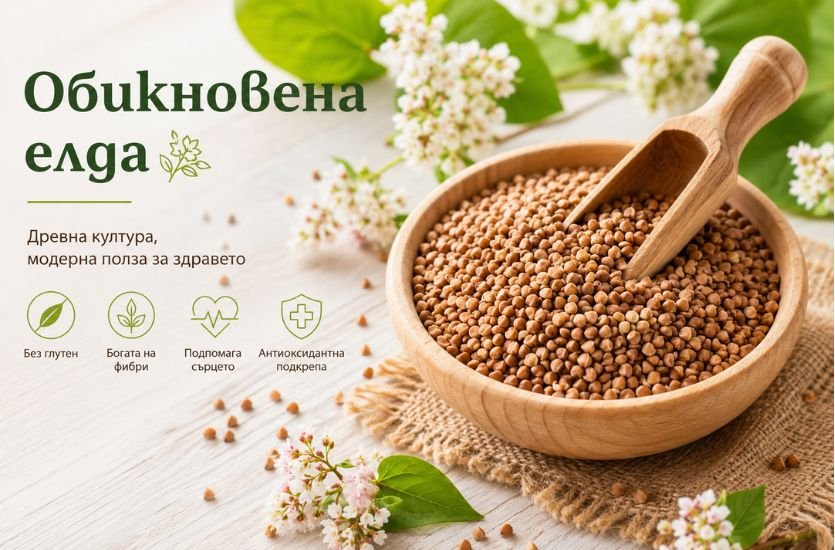

Nature has always provided remarkable foods that nourish the body while supporting sustainable agriculture. Among these valuable crops, обикновена елда has earned a respected place for its impressive nutritional profile, versatility, and adaptability. Although many people mistakenly classify it as a traditional grain, обикновена елда belongs to an entirely different botanical family, making it a unique food that stands apart from wheat, barley, and rye. Its naturally gluten-free seeds, rich supply of minerals, antioxidants, and plant-based protein have made it increasingly popular among health-conscious consumers across the world.
For centuries, обикновена елда has been cultivated in Asia and Europe, serving as both an important food source and an agricultural crop that benefits the environment. Today, it appears in countless recipes, from warm breakfast dishes and hearty soups to gluten-free baked goods and nutritious salads. As awareness of balanced nutrition continues to grow, more people are discovering why обикновена елда deserves a place in everyday meals.
Also Read: Roata Ferris: The Fascinating History, Engineering, and Timeless Appeal of the Giant Wheel
What Is Обикновена Елда?
Обикновена елда is an annual flowering plant scientifically known as Fagopyrum esculentum. Despite being commonly grouped with grains in grocery stores and kitchens, it is actually a pseudocereal rather than a cereal grain. This distinction exists because the plant belongs to the Polygonaceae family instead of the grass family, which includes wheat, rice, and corn.
The edible portion of обикновена елда is its triangular seed. After harvesting, the seeds are cleaned, processed, and prepared in several forms, including whole groats, flour, flakes, and roasted varieties. Each form offers unique culinary possibilities while maintaining the crop’s impressive nutritional value.
One of the defining characteristics of обикновена елда is its natural absence of gluten. This feature makes it a suitable ingredient for individuals seeking alternatives to gluten-containing grains while still enjoying satisfying and nutritious meals.
The History and Origin of Обикновена Елда
The story of обикновена елда stretches back thousands of years. Historians believe that the crop originated in regions of China before spreading throughout Central Asia and eventually reaching Europe. Ancient civilizations appreciated its ability to grow quickly and produce reliable harvests even under less-than-ideal growing conditions.
As trade routes expanded, обикновена елда became increasingly popular throughout Eastern Europe and Russia, where it developed into an essential part of traditional cuisine. Farmers valued the crop because it matured rapidly and required relatively modest agricultural inputs compared to many other food plants.
Later, European settlers introduced обикновена елда to North America, where it became an important crop during the colonial period. Although modern agriculture eventually shifted toward higher-yield cereal crops, renewed interest in healthy eating has brought обикновена елда back into the spotlight.
Botanical Characteristics
The plant itself is attractive as well as practical. Обикновена елда typically grows between 30 and 120 centimeters tall, depending on environmental conditions and variety. Its slender stems support heart-shaped green leaves and clusters of delicate white or pale pink flowers that bloom throughout the growing season.
These blossoms are highly attractive to bees and other pollinating insects. As a result, fields of обикновена елда often become vibrant ecosystems filled with beneficial pollinators. The flowers eventually develop into the familiar triangular seeds that are harvested for food.
Unlike many cereal crops, обикновена елда grows rapidly. Under suitable weather conditions, it can mature within approximately ten to twelve weeks after planting, making it an efficient crop for farmers seeking relatively quick harvests.
Nutritional Profile of Обикновена Елда
One of the primary reasons for the growing popularity of обикновена елда is its exceptional nutritional composition. It provides an impressive combination of macronutrients and micronutrients that support overall health.
The seeds contain high-quality plant protein, making them especially valuable for vegetarians and individuals seeking to diversify their protein sources. Unlike many plant foods, the protein found in обикновена елда contains a relatively balanced amino acid profile.
Complex carbohydrates serve as the primary energy source within обикновена елда. Because these carbohydrates digest gradually, they help provide steady energy throughout the day instead of causing rapid fluctuations in blood sugar.
Dietary fiber represents another major nutritional advantage. Fiber supports healthy digestion, contributes to satiety after meals, and plays an important role in maintaining overall gastrointestinal health.
In addition to protein and fiber, обикновена елда contains numerous essential minerals. Magnesium contributes to normal muscle and nerve function, while iron supports oxygen transport throughout the body. Potassium assists with fluid balance, phosphorus supports healthy bones, and zinc contributes to immune function and normal cellular processes.
The seeds also provide several B vitamins that participate in energy metabolism, along with vitamin E, which functions as an antioxidant.
Perhaps one of the most remarkable features of обикновена елда is its abundance of natural antioxidants, particularly rutin and quercetin. These plant compounds help protect cells against oxidative stress and contribute to the crop’s reputation as a nutritious functional food.
Health Benefits of Обикновена Елда
The nutritional richness of обикновена елда translates into numerous potential health benefits when consumed as part of a balanced diet.
One of its greatest advantages is its naturally gluten-free composition. People with gluten intolerance or those who simply wish to reduce gluten intake often choose обикновена елда as a wholesome alternative without sacrificing flavor or versatility.
Its generous fiber content supports digestive wellness by encouraging regular bowel movements and promoting a healthy digestive system. Fiber also slows digestion, helping individuals feel satisfied for longer periods after eating.
The combination of complex carbohydrates and fiber may contribute to more gradual changes in blood sugar following meals. For this reason, обикновена елда is frequently included in meal plans designed around balanced nutrition.
Heart health may also benefit from regular consumption. The antioxidant rutin has attracted scientific interest because of its potential role in supporting healthy blood vessels and maintaining normal circulation. Combined with minerals such as magnesium and potassium, these compounds make обикновена елда a valuable component of a heart-conscious eating pattern.
The plant protein found in обикновена елда further enhances its nutritional appeal. Protein contributes to muscle maintenance, tissue repair, enzyme production, and numerous other essential biological functions. Including plant-based protein sources in daily meals also helps diversify dietary patterns.
Because обикновена елда contains relatively low amounts of saturated fat while supplying beneficial nutrients, it fits comfortably into many modern dietary approaches focused on long-term wellness.
Why Обикновена Елда Is Naturally Gluten-Free
Many people mistakenly assume that обикновена елда is closely related to wheat because of its English name. In reality, the plant has no botanical relationship with wheat at all.
Its classification as a pseudocereal means that it develops edible seeds similar to grains while belonging to an entirely different plant family. As a result, naturally pure обикновена елда contains no gluten proteins.
This characteristic has significantly increased its popularity among individuals seeking gluten-free ingredients for cooking and baking. Flour produced from обикновена елда is now widely used in breads, pancakes, crackers, pasta, and numerous other recipes specifically designed for gluten-free diets.
However, consumers should still verify packaging labels because processing facilities that handle wheat products may create opportunities for cross-contamination if appropriate manufacturing controls are not followed.
Growing and Cultivating Обикновена Елда
One of the reasons обикновена елда has remained an important agricultural crop for centuries is its ability to thrive under conditions where many other crops struggle. Farmers appreciate its relatively short growing season, which allows it to mature quickly and fit easily into crop rotation systems. In many regions, it can be planted after another crop has already been harvested, making efficient use of farmland throughout the growing season.
The plant performs best in temperate climates with moderate rainfall and well-drained soil. Unlike some demanding cereal crops, обикновена елда does not require highly fertile land to produce a satisfactory harvest. This adaptability has made it an attractive option for farmers working with less productive soils.
Another valuable characteristic is its rapid growth. Once planted, the crop establishes itself quickly, helping suppress weeds by naturally competing for sunlight and nutrients. This can reduce the need for intensive weed management while supporting more sustainable farming practices.
Flowering usually begins only a few weeks after planting. The delicate white and pale pink blossoms not only enhance the appearance of agricultural fields but also serve an important ecological purpose by attracting bees, butterflies, and numerous beneficial insects. As a result, fields of обикновена елда contribute to healthy pollinator populations that benefit surrounding crops and natural ecosystems.
Environmental Benefits
Modern agriculture increasingly emphasizes sustainability, and обикновена елда fits well within environmentally responsible farming systems. Because it grows rapidly, covers the soil efficiently, and generally requires fewer agricultural inputs than many conventional crops, it can help reduce environmental impact.
The dense growth of обикновена елда naturally suppresses weeds, minimizing the need for herbicides in many situations. Its relatively modest nutrient requirements also reduce dependence on heavy fertilizer applications, making cultivation more environmentally friendly.
Perhaps one of its greatest environmental contributions comes through pollinator support. During flowering, fields become rich sources of nectar that attract honeybees and numerous native pollinating insects. Healthy pollinator populations are essential for biodiversity and agricultural productivity, making обикновена елда valuable beyond its direct food production.
Farmers also include the crop in rotation systems because it helps diversify planting schedules, interrupt pest cycles, and improve overall farm management. While it is not a replacement for all traditional crops, it serves as an excellent complementary species in many agricultural regions.
Culinary Uses of Обикновена Елда
The versatility of обикновена елда in the kitchen is one of the main reasons it continues to gain popularity worldwide. Its pleasantly nutty flavor pairs well with both savory and sweet dishes, allowing home cooks and professional chefs to incorporate it into a wide variety of recipes.
Whole groats are commonly prepared as a warm breakfast porridge, providing a hearty start to the day with long-lasting energy. They also work well as a substitute for rice or other grains alongside vegetables, poultry, seafood, or legumes. Their slightly firm texture makes them particularly suitable for salads, where they add both flavor and nutritional value.
Soups and stews benefit from the addition of обикновена елда, which absorbs surrounding flavors while maintaining its structure during cooking. Many traditional European dishes rely on it as a filling ingredient that transforms simple meals into satisfying main courses.
Flour produced from обикновена елда opens even more culinary possibilities. It is widely used to prepare pancakes, crepes, flatbreads, muffins, cookies, and other baked goods. Because it is naturally gluten-free, many recipes combine it with other gluten-free flours to improve texture while preserving its distinctive flavor.
Breakfast cereals, granola, snack bars, and roasted groats have also become increasingly popular as consumers seek wholesome alternatives to highly processed foods.
How to Cook Обикновена Елда
Preparing обикновена елда is straightforward, making it an excellent ingredient even for beginners in the kitchen. The groats should first be rinsed thoroughly under cool water to remove any remaining dust or impurities. Some cooks prefer to lightly toast the groats before cooking, which enhances their naturally nutty aroma and deepens their flavor.
A common cooking ratio is one part обикновена елда to two parts water. After bringing the mixture to a boil, the heat is reduced and the groats are allowed to simmer gently until most of the liquid has been absorbed. This process usually takes between twelve and fifteen minutes, although slight variations may occur depending on the variety and desired texture.
Allowing the cooked groats to rest for several minutes before serving helps them finish absorbing moisture while producing a light and fluffy consistency. They can be served immediately as a side dish or cooled for later use in salads and meal preparation.
Storage and Shelf Life
Proper storage helps preserve both the quality and nutritional value of обикновена елда. Uncooked groats should be kept in airtight containers in a cool, dry location away from direct sunlight. Under suitable storage conditions, they can remain fresh for many months.
Cooked обикновена елда should be refrigerated promptly after cooling and is generally best consumed within three to four days. It also freezes well, allowing larger batches to be prepared in advance for convenient meal planning. When stored in airtight containers, frozen portions can maintain good quality for several weeks.
Common Misconceptions
Despite its growing popularity, several misconceptions about обикновена елда continue to circulate.
One of the most widespread misunderstandings is that it belongs to the same family as wheat. In reality, the two plants are botanically unrelated, despite similarities in how their seeds are used in cooking.
Another misconception is that обикновена елда lacks significant nutritional value because it is not a true grain. On the contrary, its impressive combination of protein, dietary fiber, vitamins, minerals, and antioxidants has earned recognition among nutrition experts as a highly nutritious food.
Some people also assume that foods prepared with обикновена елда have a strong or unpleasant taste. While it does possess a distinctive nutty flavor, it blends exceptionally well with herbs, vegetables, fruits, dairy products, mushrooms, and many different seasonings, making it remarkably versatile in everyday cooking.
Why Обикновена Елда Continues to Grow in Popularity
Consumer interest in minimally processed, nutrient-rich foods has increased significantly in recent years. This trend has contributed to renewed appreciation for traditional crops such as обикновена елда, which offer both nutritional value and culinary flexibility.
Health-conscious individuals appreciate its naturally gluten-free composition, while athletes and active individuals often value its combination of complex carbohydrates and plant-based protein. Families enjoy its adaptability across breakfast, lunch, dinner, and dessert recipes, making it suitable for people of all ages.
The crop also aligns well with modern sustainability goals. Its support for pollinators, relatively modest agricultural requirements, and compatibility with crop rotation systems make it attractive from both environmental and agricultural perspectives.
As international cuisines continue to influence one another, обикновена елда has found new audiences beyond the regions where it has traditionally been consumed for centuries. Its inclusion in contemporary recipes demonstrates that ancient crops can remain highly relevant in modern nutrition.
Frequently Asked Questions
Many people wonder whether обикновена елда is suitable for everyday consumption. For most healthy individuals, it can be enjoyed regularly as part of a varied and balanced diet that includes fruits, vegetables, legumes, healthy fats, and other nutritious foods.
Another common question concerns its preparation. Fortunately, обикновена елда is one of the easiest staple foods to cook, requiring only water, moderate heat, and a short cooking time before it is ready to serve.
People also ask whether it can replace traditional grains in recipes. In many dishes, the answer is yes. Whole groats work well in place of rice or similar ingredients, while flour can be incorporated into numerous baked goods, although recipes may require slight adjustments because of its gluten-free nature.
Conclusion
Обикновена елда represents an outstanding example of how traditional crops continue to meet modern nutritional and environmental needs. Its rich nutritional profile, naturally gluten-free composition, impressive versatility, and sustainable cultivation characteristics have secured its place among today’s most valued plant-based foods.
Whether prepared as a comforting breakfast, incorporated into hearty soups, transformed into flavorful baked goods, or served as a nutritious side dish, обикновена елда offers countless possibilities for delicious and balanced meals. Combined with its support for pollinators and environmentally friendly agricultural qualities, it stands as far more than just another pantry ingredient. It is a crop with a long history, enduring value, and an increasingly important role in healthy eating and sustainable food production around the world.